
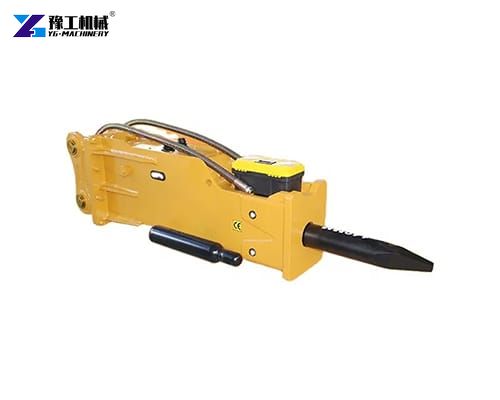
Excavator breaker hammer is a powerful percussion tool fitted to an excavator for breaking concrete structures or rocks. It is powered by the hydraulic system of the excavator, utilizing high-pressure fluid to drive a piston that strikes a tool bit, creating a concentrated force capable of shattering the toughest materials. There are a variety of models available for different excavator sizes, which are used to break hard materials such as rocks, reinforced concrete, asphalt, and frozen ground. The excavator supplies hydraulic oil flow and pressure, while the breaker hammer transforms that power into repetitive striking force.
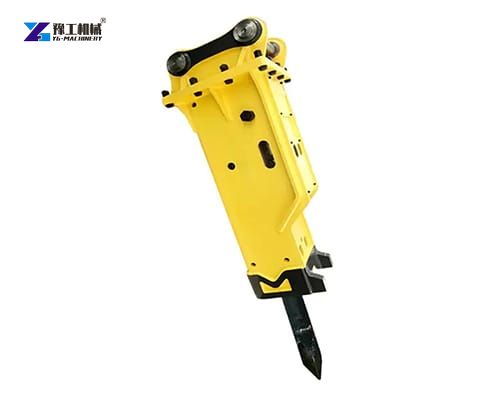
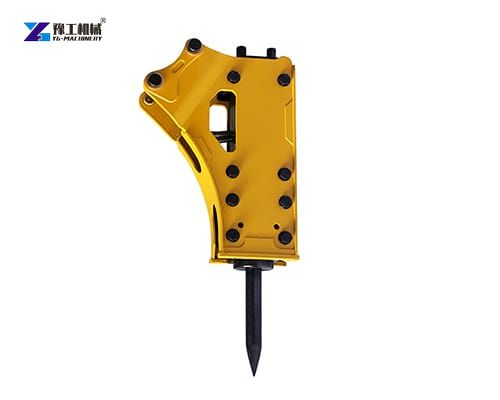
Excavator Breaker Hammer Specifications
| Model | YGB200S | YGB600S | YGB900S | YGB1600S |
| Weight | 135kg | 410kg | 800kg | 1600kg |
| Length | 1100mm | 1528mm | 2260mm | 2695mm |
| Pressure | 90-120bar | 110-160bar | 150-170bar | 160-180bar |
| Flow | 20-40lpm | 50-90lpm | 80-120lpm | 120-160lpm |
| Rate | 700-1200bmp | 500-800bmp | 400-700bmp | 400-700bmp |
| Hose | 1/2inch | 1/2inch | 3/4inch | 1inch |
| Chisel | 45mm | 75mm | 100mm | 135mm |
| Suit | 1.2-3.0ton | 6-9ton | 11-16ton | 19-26ton |
Versatile Applications of the Excavator Breaker Hammer
The versatility of this attachment is what makes it a staple in the industry. Its uses span across various sectors:
- Demolition: Breaking down reinforced concrete walls, bridge decks, and building foundations.
- Mining and Quarrying: Secondary breaking of large boulders that are too big to fit into a crusher.
- Trenching: Cutting through frozen ground or hard rock to lay utility pipes and cables.
- Road Construction: Removing old asphalt or concrete pavements during highway repairs.
- Landscaping: Breaking up underground rock formations to level ground or create drainage paths.
Advantages of Using a Hydraulic Breaker
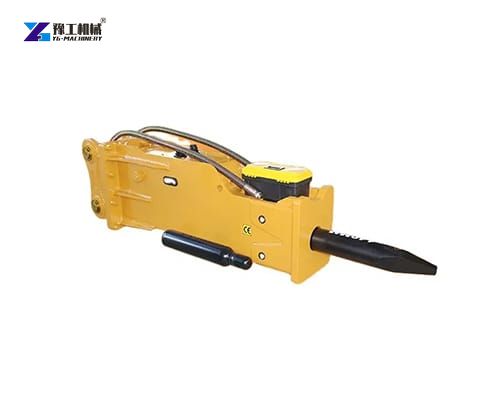
- Efficiency: Excavator breaker hammer can do the work of dozens of men with jackhammers in a fraction of the time.
- Safety: It allows operators to stay inside a protected cab, far away from falling debris and flying shards.
- Precision: The breaker hammer for the excavator allows for targeted demolition, which is critical when working near existing structures that must remain intact.
- Cost-Effectiveness: By reducing labor costs and project timelines, the ROI on a breaker hammer is exceptionally high.
Selecting the Right Breaker for Your Excavator
If the hammer is too small, you will waste time and risk overheating the hydraulic system. If it is too large, you can damage the excavator’s arm and bushings.
- Matching the Weight Class
The most important factor is the carrier weight. Most manufacturers provide a range of excavator weights for each hammer model.
2. Hydraulic Flow and Pressure
You must ensure your excavator’s hydraulic pump can provide the necessary Liters Per Minute (LPM) and Bar pressure required by the hammer. If the flow is too high, you might crack the hammer’s housing; if it is too low, the hammer will lack power.
3. Detailed Comparison:
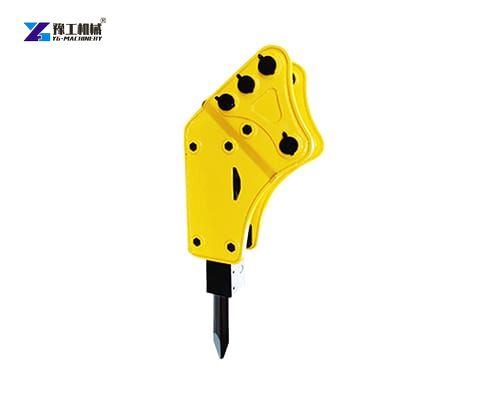
- Side Type vs Top Type vs Silenced Type
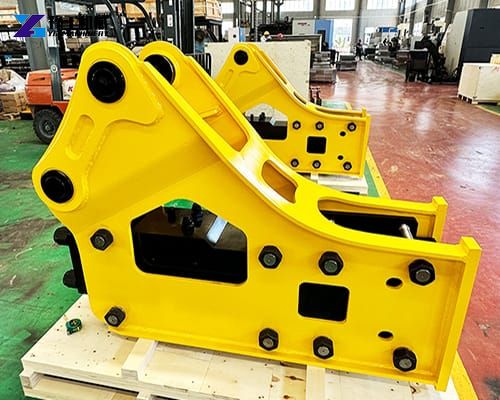
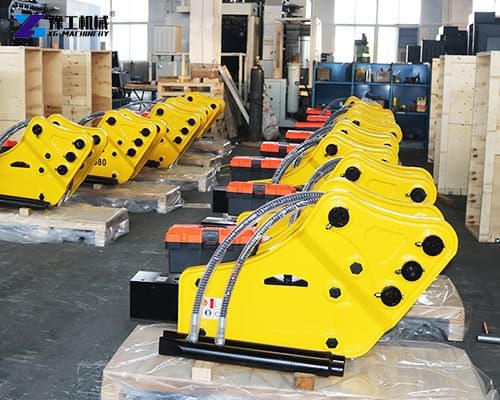
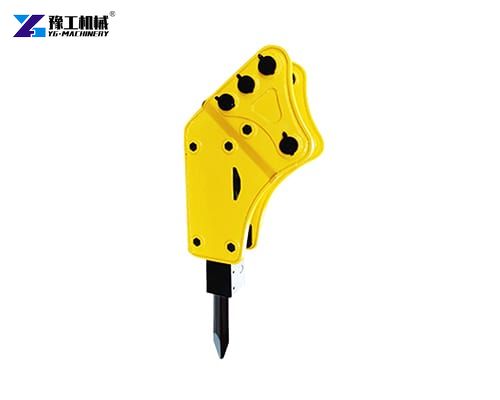
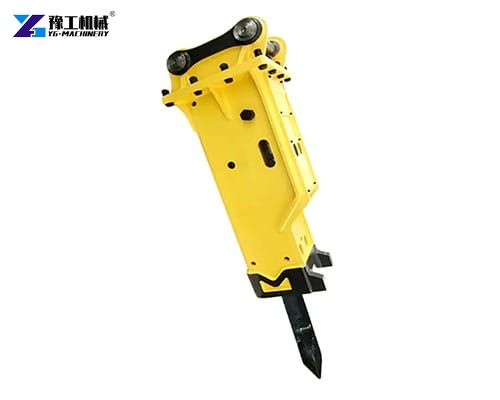
Breaker hammers generally come in three external configurations, each with its own pros and cons. - Side Type Breakers
These are shorter and allow the operator to have a better view of the work area. They are often used in general construction and offer easier access for maintenance. - Top Type Breakers
By mounting the bracket at the top, the hammer has a longer reach. This design is excellent for vertical demolition work, such as tearing down high walls or working in deep trenches. It also distributes the stress more evenly along the excavator arm.
Operating Techniques for Maximum Productivity
Excavator breaker hammer is only as good as the person operating it. Following these tips will improve performance and reduce wear:
- Maintain a 90-Degree Angle: Always keep the hammer perpendicular to the material. Striking at an angle creates side-loading, which can snap the chisel and damage the cylinder.
- Avoid Blank Firing: Never trigger the hammer if the chisel is not firmly pressed against the material. Blank firing causes the piston to hit the front head directly, which can cause cracks.
- Environmental and Safety Considerations
Safety is paramount when operating a breaker. Flying debris can travel significant distances, so bystanders must be kept clear. Operators should always wear ear protection and ensure the excavator’s front window is protected by a heavy-duty mesh or polycarbonate shield.