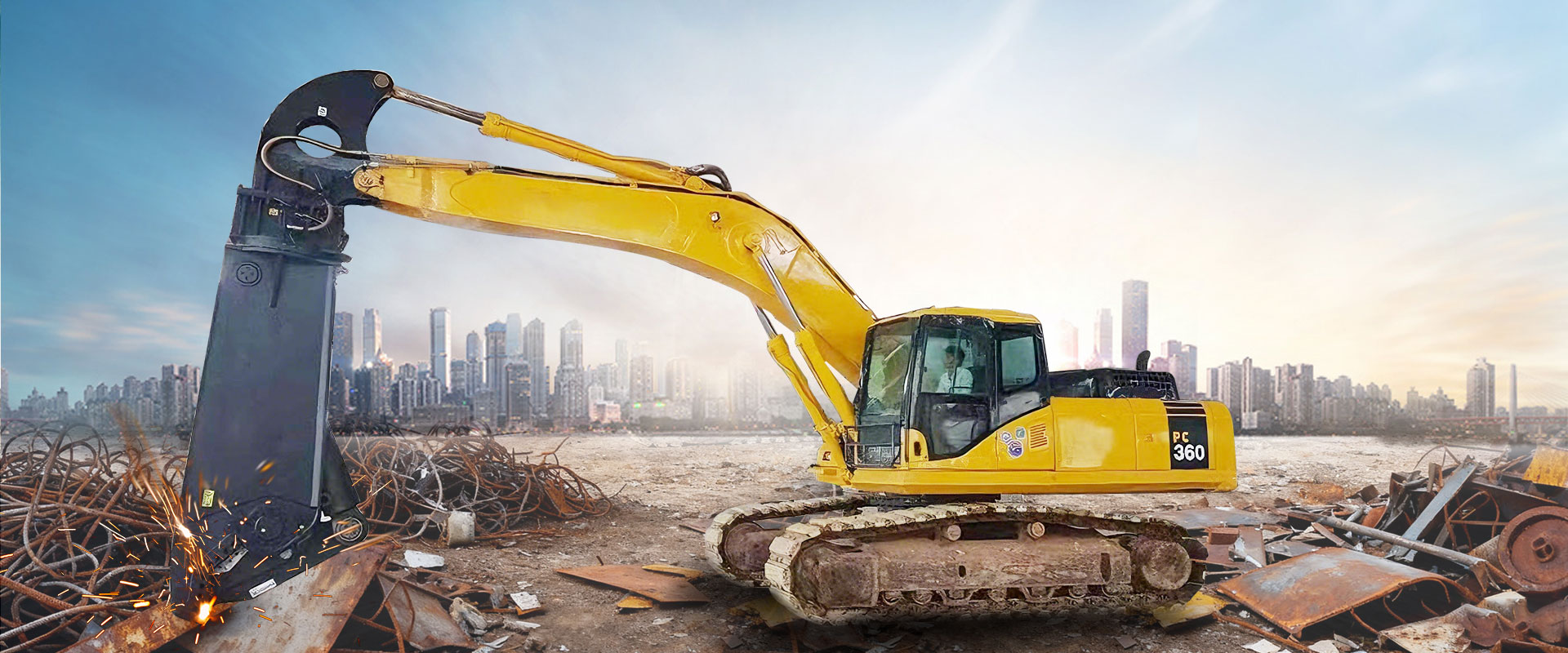
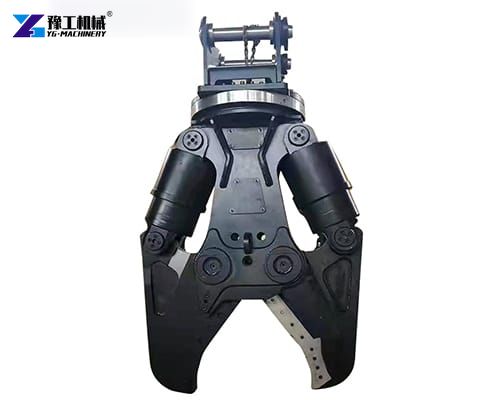
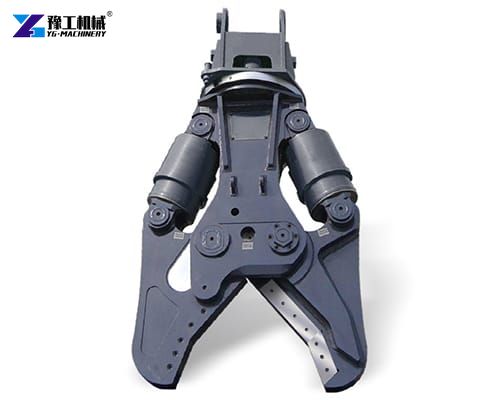
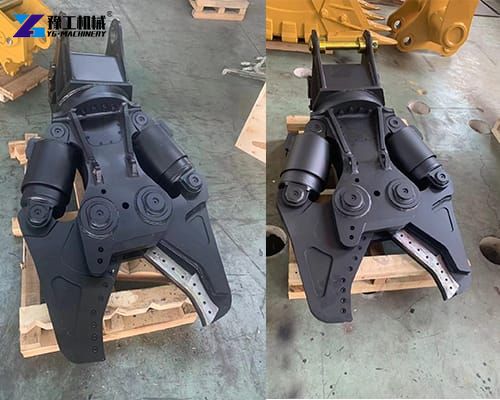
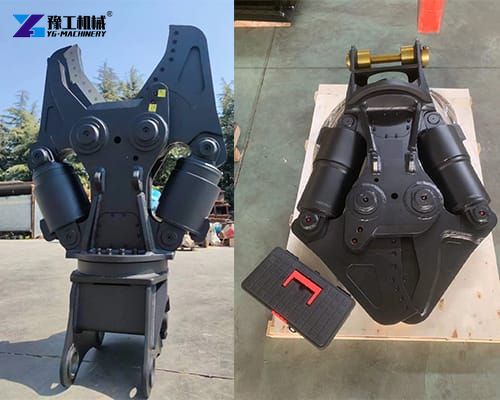
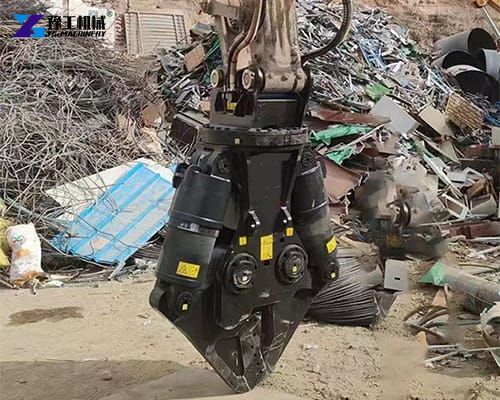
Excavator metal shear is a hydraulically powered attachment to cut and process metal efficiently. Supported by the hydraulic flow and pressure generated by the excavator, the shear delivers tremendous crushing and cutting force through its jaws. These jaws are typically reinforced with alloy steel and feature replaceable blades to ensure long-term durability and consistent performance. The structure of the metal shear for excavator usually consists of several major components, including the upper jaw, lower jaw, pivot point, hydraulic cylinder, optional rotation system, hoses, and attachment bracket. This structure ensures maximum mechanical leverage, allowing the shear to slice through thick steel beams, pipes, rebar, frames, tanks, and even vehicles with controlled precision. Are you looking for this excavator shear attachment? More information please contact us freely.
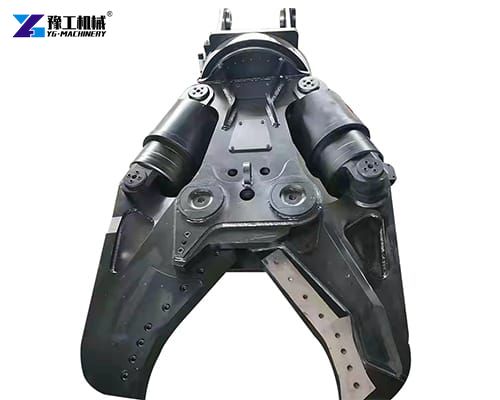
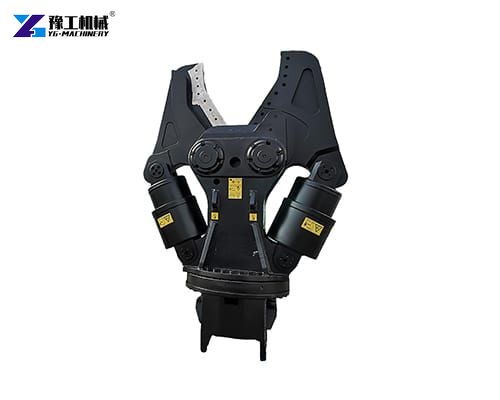
Parameter of the Excavator Metal Shear
| Model | YGD280 | YGD380 | YGD480 |
| Suitable Excavator | 22-27T | 28-36T | 37-45T |
| Weight | 2650KG | 3850KG | 4540KG |
| Blade Length | 400+260mm | 350+360mm | 350+360mm |
| Working Pressure | 320bar | 330bar | 330bar |
| Length | 2380mm | 2700mm | 3655mm |
| Opening | 855mm | 780mm | 780mm |
| Cut Depth | 685mm | 650mm | 650mm |
| Shear Force | 1360KN | 2940KN | 2940KN |
Applications of Excavator Metal Shears
Excavator shears for metals are widely used in industries that require reliable, powerful, and precise cutting of metal components. Some of the most common applications include
- Industrial Demolition
During demolition work, heavy metal frameworks such as beams, girders, and steel plates must be dismantled safely. The metal shear attachment provides controlled cuts that reduce structural risks, minimize vibrations, and allow for step by step demolition. - Scrap Processing and Recycling
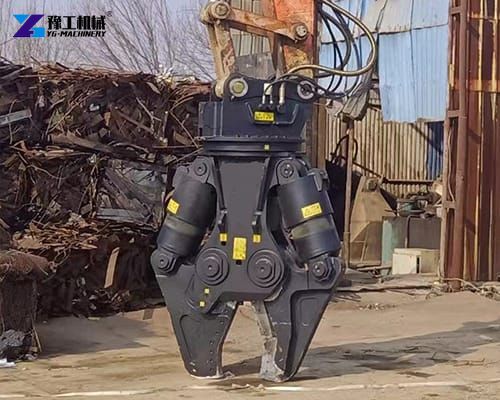
Scrapyards use excavator metal shears to break down large metal pieces into manageable sections. This process increases recycling efficiency and reduces transportation costs. Shears can cut vehicles, machinery, containers, and various scrap metals. - Shipbreaking and Marine Recycling
Large vessels contain significant quantities of metal. It helps dismantle hulls, pipelines, and internal structures with precision, making the shipbreaking process safer and more productive. - Pipeline and Industrial Facility Dismantling
Metal shears allow operators to cut pipelines, storage tanks, factory equipment, and various industrial installations quickly and cleanly. - Construction Site Material Processing
Cutting rebar, metal mesh, and structural steel on site helps contractors save time and streamline operations.
Advantages of Using A Metal Shear for Excavator
- The excavator metal shear provides numerous operational, financial, and environmental benefits. Some of the most notable advantages include
- High Cutting Force and Efficiency
Metal shears can cut even the thickest steel materials quickly. This reduces project duration and increases overall productivity. - Precise and Controlled Cutting
The hydraulic system and blade design enable clean, accurate cuts without excessive vibration or structural instability. - Versatility Across Multiple Industries
The ability to handle various metal types and shapes makes the metal shear attachment for excavator suitable for demolition, recycling, industrial dismantling, and more. - Durable Construction for Long Service Life
Made with reinforced steel and high strength alloys, metal shears withstand continuous heavy duty use. - Lower Operating Costs
The speed and efficiency of the attachment reduce fuel consumption, labor expenses, and downtime.
Selecting the Right Hydraulic Metal Shear Attachment
Selecting the proper excavator metal shear ensures maximum productivity and efficiency. Key factors to consider include
- Excavator Weight and Hydraulic Capacity
The attachment must match the excavator’s operating weight, hydraulic flow, and pressure. A mismatch can reduce performance or damage equipment. - Type of Metal to Be Cut
Some shears are designed for lightweight scrap while others are built for thick structural steel. - Jaw Opening and Cutting Force
For large objects like beams or tanks, a wider jaw opening and higher cutting force are essential. - Rotational vs Non Rotational Models
Rotational models provide superior maneuverability but cost more. Non rotating shears are ideal for straightforward cutting applications.
Operating an Hydraulic Metal Shear Safely and Effectively
- Safety is a crucial concern when working with heavy duty machinery. Operators should follow these guidelines
- Conduct a full inspection before each use to ensure the shear is properly secured and functioning.
- Maintain a safe distance from other workers and obstacles.
- Always cut materials at the optimal angle recommended by the manufacturer.
- Avoid sudden or excessive force that can damage blades or hydraulic components.
- Use the rotation system when available to achieve the best cutting position.
- Follow all excavator operating guidelines related to stability and load handling.
- Effective operation improves productivity and extends the life of the attachment.
Maintenance and Service Tips
Proper maintenance significantly increases the lifespan and performance of an excavator metal shear. Key maintenance practices include
- Regular Greasing
Lubricate pivot points to reduce friction and prevent premature wear. - Blade Inspection and Replacement
Dull or damaged blades reduce cutting efficiency. Replace them promptly to maintain clean cuts and reduce hydraulic stress. - Hydraulic System Monitoring
Check hoses, seals, valves, and fittings for leaks or damage.