Excavator pile driver attachment is a specialized device mounted on an excavator arm, enabling the machine to drive piles into the ground using vibration, impact, or static pressure. Instead of relying on standalone piling rigs, contractors can utilize existing excavators, significantly reducing equipment investment and improving site mobility. This attachment is commonly used for driving steel sheet piles, concrete piles, timber piles, and pipe piles into various soil conditions. By integrating the piling function, it offers a versatile solution that traditional methods cannot match, especially in confined urban environments, alongside busy roads, or on projects with varied and scattered piling requirements. The integration transforms the excavator into a multi-functional powerhouse, capable of excavation, lifting, and precision piling, all with one base machine.
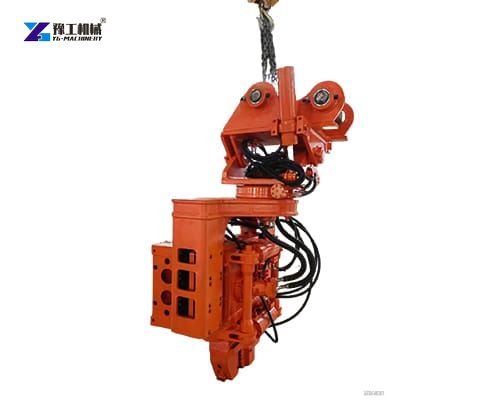
Structural Components of Excavator Pile Driver
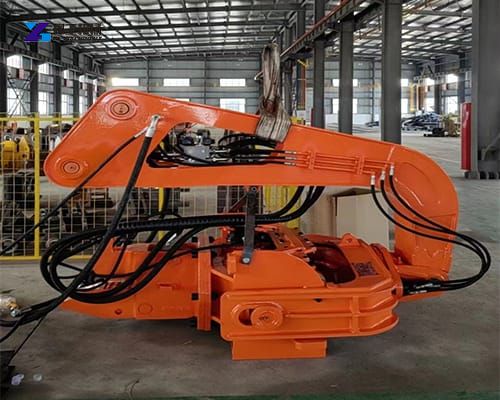
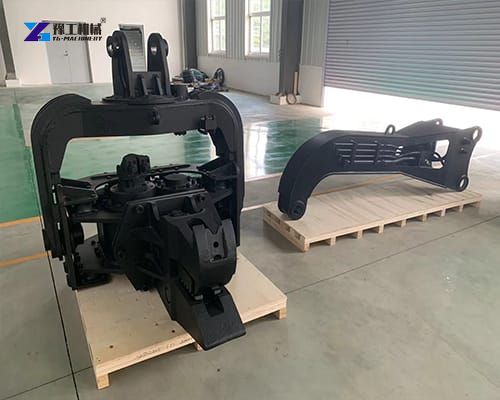
- The Main Frame or Leader: This is the vertical or adjustable guide that holds the pile in place during installation, ensuring it remains plumb and true. It attaches directly to the excavator’s dipper arm via a bracket.
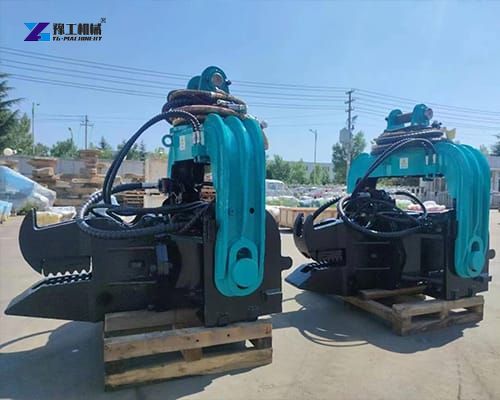
- The Hammer Mechanism: The heart of the attachment. For hydraulic pile drivers, this is usually a hydraulic hammer that delivers high energy impacts to the pile head. Alternatives include vibratory hammers for sandy or loose soils. The hammer slides along the leader.
- Hydraulic Connection and Power Pack: The attachment taps into the excavator’s hydraulic system through high flow lines. Some advanced models may include an auxiliary power pack to ensure consistent, high power delivery for optimal hammer performance.
- Pile Grippers or Clamps: Hydraulically operated clamps secure the pile firmly against the leader, preventing misalignment during the driving process.
- Controls and Operator Interface: Modern attachments feature advanced remote or in-cab control systems, allowing the excavator operator to manage all piling functions—hammer energy, frequency, clamping, and leader adjustment—with precision and safety.
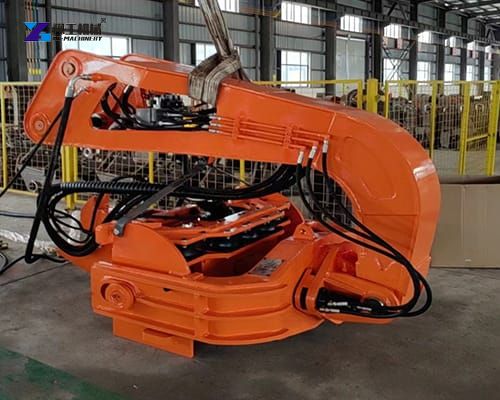
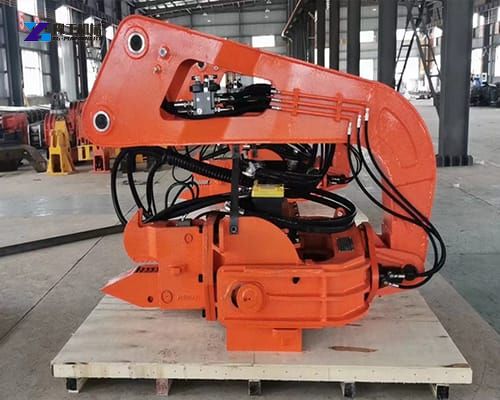
Multitude of Applications
The versatility of the excavator pile driver attachment is demonstrated in its wide range of applications. It is indispensable in
- Building Foundation Piling: Creating stable foundations for residential, commercial, and industrial structures.
- Transportation Infrastructure: Installing piles for bridge abutments, highway sound walls, and railway embankments.
- Marine and Waterfront Projects: Constructing piers, docks, seawalls, and bulkheads, often using sheet piles for retaining earth or water.
- Utility and Energy Sector: Foundation work for power transmission towers, wind turbine bases, and pipeline supports.
- Slope Stabilization and Retaining Walls: Installing soldier piles for anchored or cantilevered wall systems to prevent soil erosion.
Features That Drive Performance
The popularity of these excavator pile driver attachments is not accidental. Several innovative features distinguish them from older piling methods:
- High Frequency Vibration: Most modern attachments utilize high-frequency vibratory technology. By generating rapid oscillations, the attachment reduces the friction between the pile and the soil, allowing the pile to sink under its own weight and the downward pressure of the excavator arm.
- 360 Degree Rotation: To ensure precision in tight spaces, high-quality pile drivers feature a full rotation mechanism. This allows the operator to pick up piles from the side and orient them perfectly without repositioning the entire machine.
- Tilting Capabilities: Beyond horizontal rotation, many units offer a 90-degree tilt function. This is crucial for picking up piles lying flat on the ground and bringing them into a vertical position for driving.
- Hydraulic Power Integration: By tapping directly into the excavator’s auxiliary hydraulic lines, these tools eliminate the need for external power packs, reducing the overall footprint and noise levels on the site.
How to Choose the Excavator Pile Driver Attachment?
- The first is excavator compatibility. The attachment must match the excavator’s weight class, hydraulic flow, and pressure specifications.
- Soil conditions are another critical factor. Hard or rocky ground may require an impact-type attachment, while soft or sandy soil may be better suited for a vibration type.
- Pile specifications such as material, diameter, and length should also guide the selection process. An attachment with adjustable clamps and sufficient driving force will provide greater flexibility.