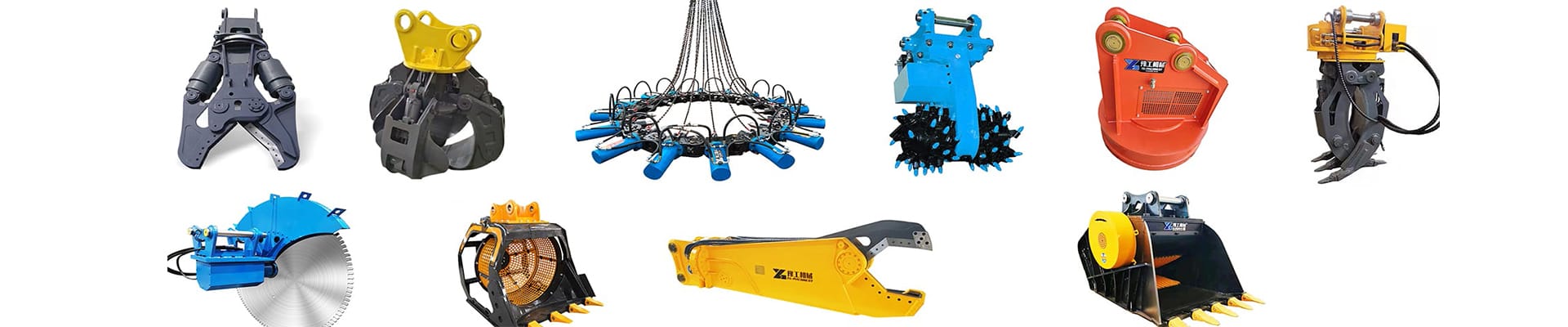
An excavator scrap shear was exported to Spain this month. The client found us during an online search for an excavator scrap shear. They are primarily engaged in urban demolition, focusing on dismantling old factories and steel-frame warehouses located near residential zones. The procurement process started with an email inquiry. The client shared information about their excavator model and the thickness of steel they usually handled. Based on this information, we recommended a specific excavator scrap shear model optimized for urban demolition. Combined with the specifications and quotation, the customer is satisfied with the machine and placed the order.
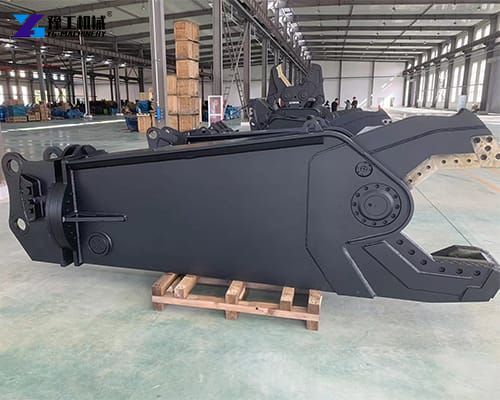
Parameters of Excavator Scrap Shear Exported to Spain
| Model | YG130R |
| Forearm mounted model | 13-17T |
| Large arm installation model | 8-12T |
| Work pressure | 35Mpa |
| Overall length | 2300mm |
| Overall weight | 1220KG |
| Maximum opening | 375mm |
| Throat depth | 395mm |
| Front-end crushing force | 60T |
| Central crushing force | 150KN |
Why Choose Excavator Scrap Shear?
- High-volume material processing: A scrap shear attached to an excavator can quickly cut, shear, and separate ferrous and non-ferrous metals from mixed scrap.
- Improved breakdown efficiency: Structural steel, hydraulic cylinders, teeth, and attachments can be separated and prepared for recycling with precision.
- Safer, cleaner worksite: Modern scrap shears minimize manual handling, reducing injury risk and streamlining the demolition workflow.
- Lower operating costs: By reducing labor hours and increasing material yield, you lower overall disposal costs and improve profitability on each job.
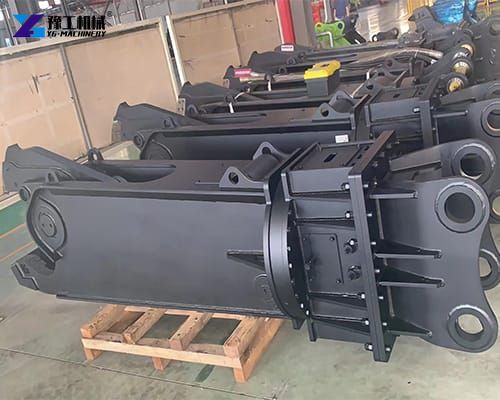
Choosing the Right Guidance for Excavator Scrap Shear
- Material mix: Different scrap grades (steel, aluminum, copper, concrete with metal, rusty junk) behave differently. Match blade geometry and jaw design to the dominant material you’ll encounter.
- Capacity requirements: Determine the excavator size and hydraulic flow you have. Shears come in various jaw force ratings and cutting speeds; ensure the selected model fits your machine’s hydraulic power and reach.
- Jaw geometry and wear parts: Consider replaceable blades, serration, and jaw curvature. A good design accommodates quick blade changes and reduces downtime.
- Maintenance accessibility: A well-designed excavator scrap shear should allow easy access to pins, hoses, and blades for quick maintenance and blade swaps.