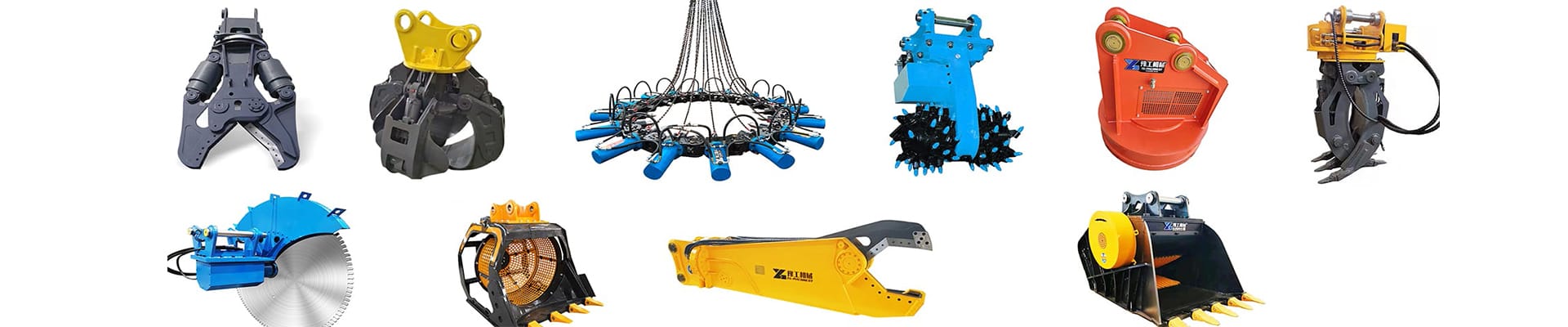
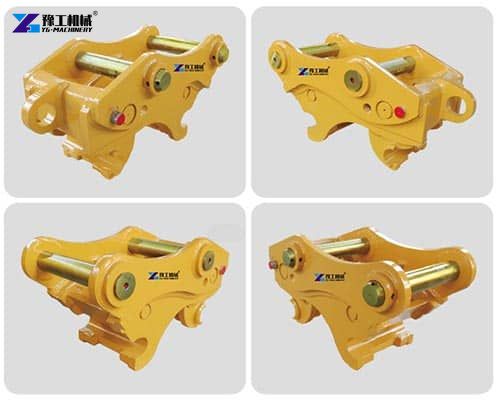
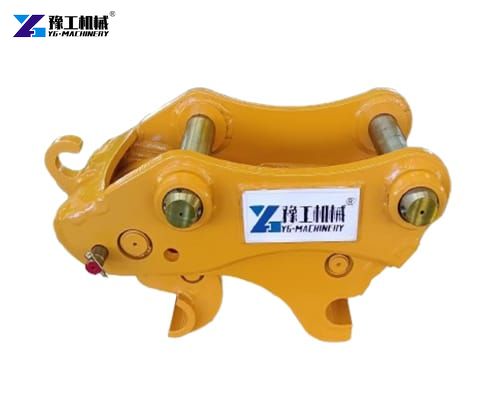
Hydraulic quick hitch is a specialized coupling device mounted at the end of an excavator arm. Its primary function is to allow the rapid connection and disconnection of various attachments, such as buckets, rippers, grapples, and hydraulic breakers, without requiring the operator to leave the cab. The hydraulic version utilizes the machine’s existing hydraulic system to actuate locking mechanisms, ensuring a secure and instantaneous grip.
Hydraulic Quick Hitch Specifications
| Model | YG60/65 | YG70/80 | YG90 | YG100/110 |
| Suitable excavator | 9-19ton | 17-23ton | 20-30ton | 33-45ton |
| Weight | 120-130kg | 280-290kg | 420-430kg | 450-580kg |
| Length | 765mm | 924-944mm | 983-1050mm | 1006-1473mm |
| Height | 388mm | 492mm | 574mm | 558-610mm |
| Width | 353-436mm | 449-483mm | 543-568mm | 606-663mm |
| Pin to pin center distance | 380-420mm | 460-480mm | 473-540mm | 550-620mm |
| Forearm open width | 232-315mm | 306-340mm | 375-411mm | 416-469mm |
| Retractable distance of oil cylinder | 340-486mm | 256-390mm | 413-590mm | 520-590mm |
| Top to bottom pin distance | 220mm | 275mm | 300mm | 360mm |
| Pin diameter | 60-70mm | 70-80mm | 80-90mm | 90-120mm |
| Working pressure | 32-40bar | 32-40bar | 32-40bar | 32-40bar |
| Working flow | 10-20lpm | 10-20lpm | 10-20lpm | 10-20lpm |
Hydraulic Quick Hitch Structural Composition
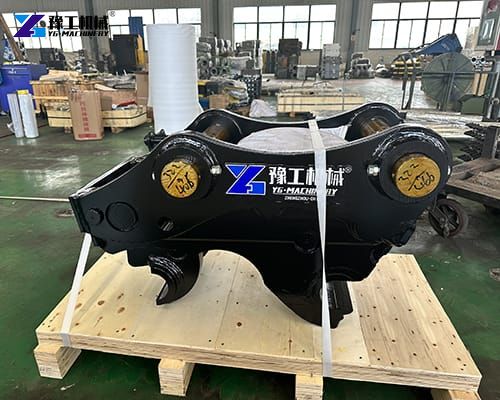
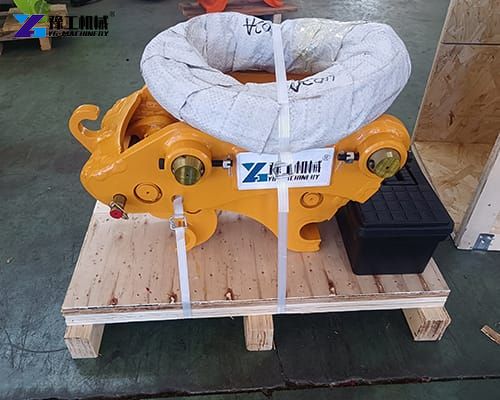
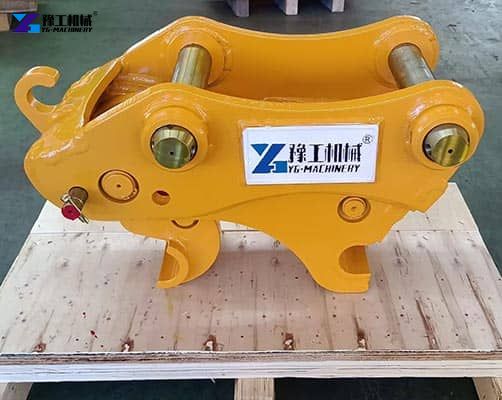
- The Main Body: Usually cast or fabricated from high-tensile steel, the body houses all internal components and provides the interface for the excavator arm pins.
- Hydraulic Cylinder: The heart of the hitch. This small but powerful cylinder extends and retracts the locking jaw or pins. It is connected to the excavator’s auxiliary hydraulic lines.
- Locking Jaws or Hooks: These are the contact points that grab the attachment pins. Most modern hitches use a front hook and a rear sliding jaw.
- Safety Check Valve: A critical component integrated into the cylinder. It ensures that even if a hydraulic hose bursts, the cylinder remains pressurized and the jaw stays locked.
- Safety Pin or Blocking Bar: An additional mechanical fail-safe that prevents the attachment from dropping even if the primary locking system fails.
- Sensors and Indicators: Many premium hitches include electronic sensors that send a signal to the cab, confirming that the hitch is fully engaged and locked.
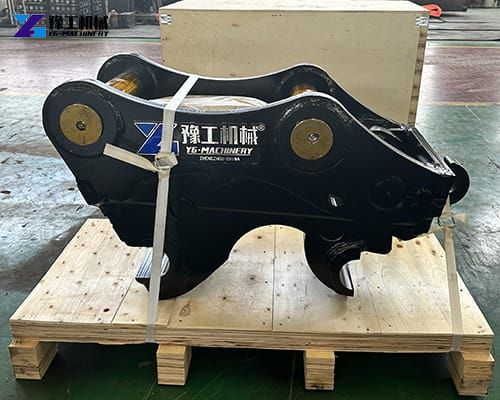
Features of Excavator Quick Coupler
- Constant Working Pressure: Modern systems maintain continuous pressure on the locking jaw to eliminate any play or rattling between the hitch and the attachment.
- Universal Picking: Excavator quick hitch is designed to pick up attachments from different manufacturers, provided they fall within a specific pin diameter and spread range.
- Compact Design: A low-profile design minimizes the loss of breakout force. Every inch added to the length of the arm reduces the effective digging power of the machine.
- Multi-Pin Compatibility: Some hitches feature adjustable or versatile jaw designs that can accommodate different pin centers, allowing a single hitch to work with a diverse fleet of buckets.
Primary Uses And Applications
Hydraulic quick hitch systems are used across a broad spectrum of industries. In construction, they are indispensable for projects that require frequent changes between digging, lifting, and demolition tasks. Operators can switch from a trenching bucket to a hydraulic breaker in minutes rather than hours.
- In road and infrastructure development, excavator quick coupler technology improves workflow efficiency. Crews can adapt quickly to changing site conditions, such as moving from grading to compaction or utility installation.
- Mining and quarry operations also benefit from excavator quick hitch systems. These environments demand high productivity and minimal downtime. The ability to rapidly change heavy duty attachments increases output while maintaining safety.
- Landscaping and agricultural projects further demonstrate the versatility of hydraulic quick hitch solutions. Tasks such as soil preparation, material handling, and site leveling become faster and more precise with quick attachment changes.
Maintenance and Longevity: Keeping the Hitch in Peak Condition
- Daily Greasing: The moving parts, especially the sliding jaw and the pivot pins, must be greased daily to prevent friction-related wear and to flush out contaminants.
- Hydraulic Hose Inspection: Inspect the hoses connecting the hitch to the arm. These are vulnerable to snagging on debris. Look for leaks, abrasions, or kinks.
- Visual Inspection of the Jaw: Check the locking jaw for cracks or excessive wear. If the jaw becomes rounded, it may not grip the attachment pins securely.
- Testing the Safety System: Periodically test the cab alarm and the safety check valve to ensure the fail-safes are functional.
- Bolt Torquing: Ensure all mounting bolts and pins are torqued to the manufacturer’s specifications. Vibration from hydraulic breakers can loosen even the toughest fasteners.