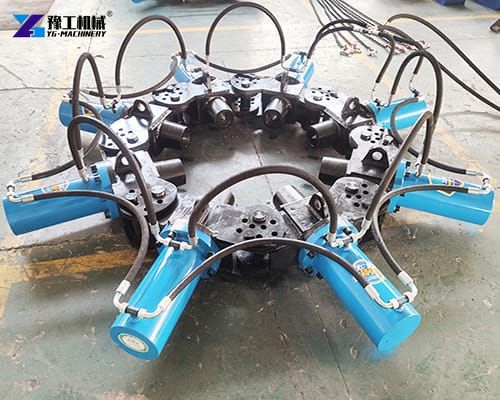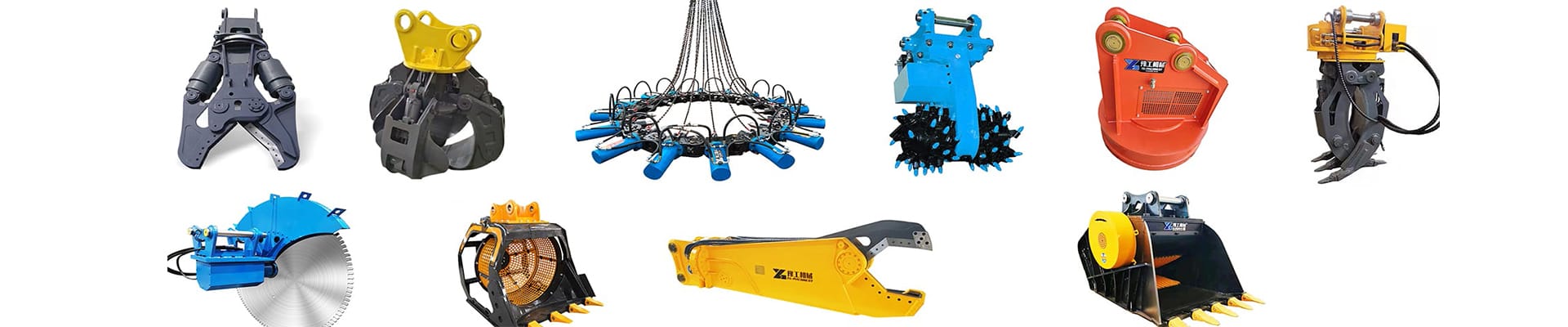
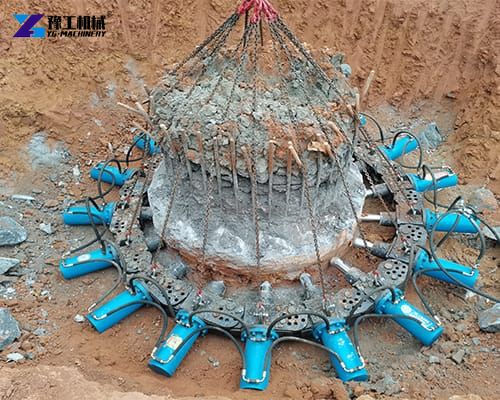
For maintenance guidelines for hydraulic pile breakers, one must first understand their structural composition. The pile breaker uses a series of hydraulic cylinders to apply balanced horizontal pressure to the pile. This modular design allows it to wrap around various pile diameters. The system consists of several interconnected modules, each housing a hydraulic cylinder and a breaking pin (chisel). These modules are linked by pins and high-pressure hydraulic hoses. Because the system is synchronized, a failure in one module can affect the structural integrity of the entire chain.
Daily Pre-Operational Inspections
- Visual Inspection for Leaks: Hydraulic fluid is the lifeblood of the pile breaker. Before starting work, inspect all hose connections and cylinder seals for signs of weeping or active leaks. Even a small drop of oil can indicate a compromised seal that might fail under the high-pressure loads required for concrete crushing.
- Lubrication of Pivot Points. The links between modules are subject to constant movement and high stress. These connection points must be greased daily. Use a high-quality lithium-based grease to reduce friction and prevent the pins from seizing. Without proper lubrication, the modules will not articulate smoothly, leading to uneven pressure distribution.
- Chisel and Pin Assessment: Examine the breaking pins or chisels for excessive wear, cracks, or deformation. A blunt or damaged chisel requires more hydraulic force to penetrate the concrete, which puts unnecessary strain on the cylinders. Ensure that the retaining pins holding the chisels are secure and show no signs of metal fatigue.
Weekly Maintenance and System Calibration
While daily checks focus on immediate issues, weekly maintenance deep-dives into the health of the hydraulic system and the structural frame.
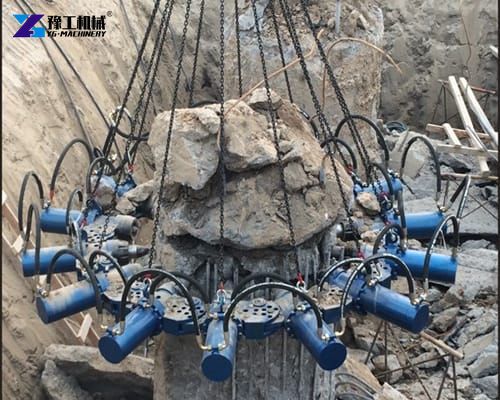
- Tightening of Fasteners. The vibration and repetitive impact of breaking concrete can loosen bolts and nuts over time. Use a torque wrench to check all structural fasteners, particularly those connecting the modules to the lifting frame. Loose bolts can lead to module misalignment, which may cause the breaker to snap or bend during operation.
- Hydraulic Hose Management: Inspect the entire length of the hydraulic hoses for abrasions, kinks, or “bubbles.” Because pile breakers operate near jagged rebar and broken concrete, hose damage is common. Replace any hose that shows internal wire reinforcement exposure. It is also wise to ensure that hose clamps are tight and that hoses are routed in a way that prevents them from getting snagged during the breaking process.
- Cleaning the Unit. Accumulated concrete dust and slurry can harden inside the crevices of the machine. If left uncleaned, this debris acts as an abrasive, grinding down moving parts and damaging seal surfaces. At the end of each week, use a high-pressure washer to remove all debris from the cylinders and link pins.
Storage Guidelines
When the project is finished, how you store the hydraulic pile breaker will determine its readiness for the next job.
Proper Positioning Store the breaker on a flat, dry surface. If possible, keep it elevated on wooden blocks to prevent moisture from the ground from corroding the base of the modules.
Cylinder Protection: If the machine will be stored for an extended period, retract the cylinders fully to keep the piston rods protected inside the cylinder bodies. If the rods must be left extended, apply a thick coat of anti-corrosion grease to the exposed chrome to prevent pitting and rust.\
Are you looking for the hydraulic pile breaker machine? Get in touch with us and we will reply to you as soon as possible.