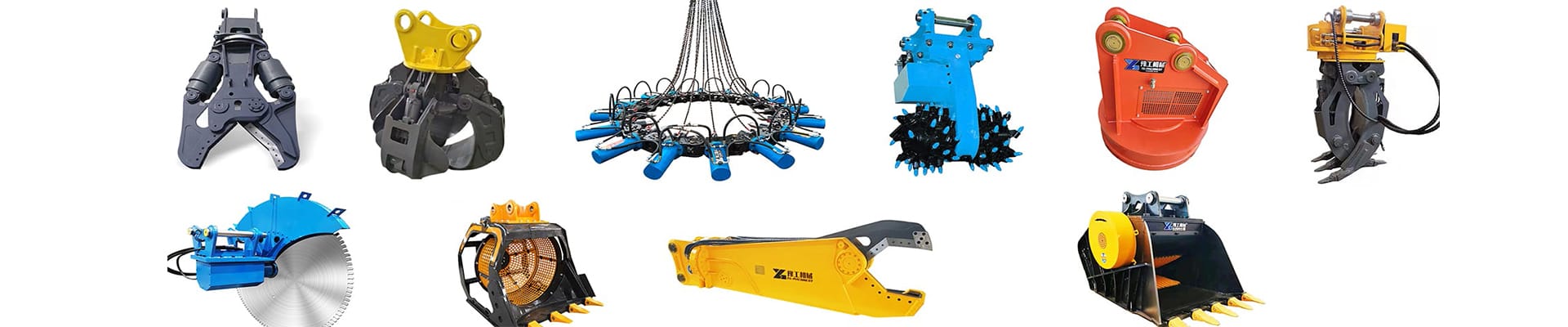
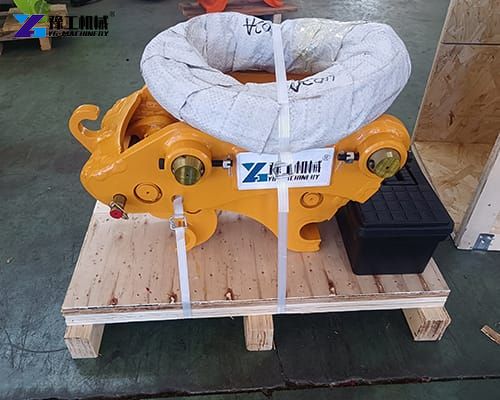
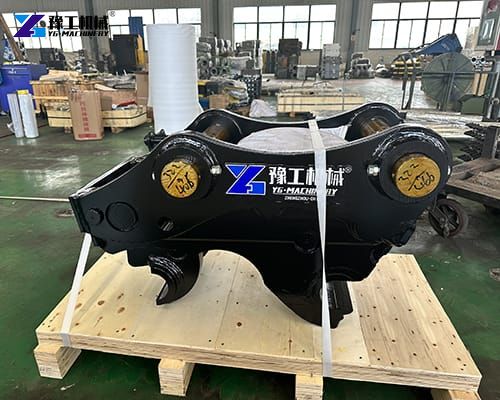
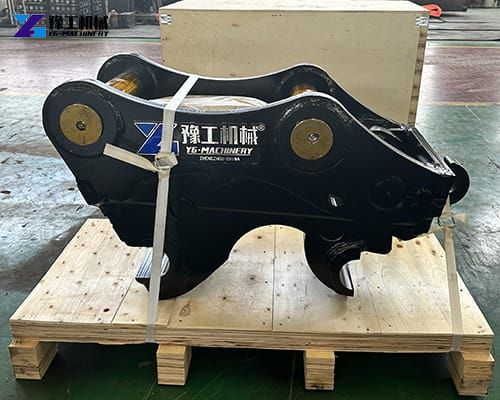
Quick hitch coupler, also known as a quick attach system or quick coupler, is a mechanical or hydraulic device mounted on excavators. Its primary purpose is to allow the operator to switch between different attachments—such as buckets, hammers, rippers, or grapples—in a fraction of the time it would take to perform a manual changeover. Traditional methods required operators to manually remove and insert mounting pins, a process that could take up to 20 minutes per change. With an excavator quick hitch, this transition occurs in seconds, significantly reducing downtime and increasing overall productivity.
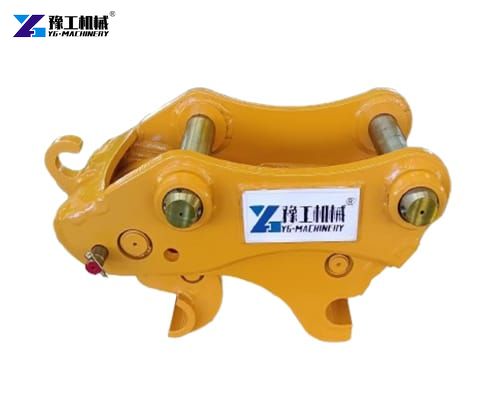
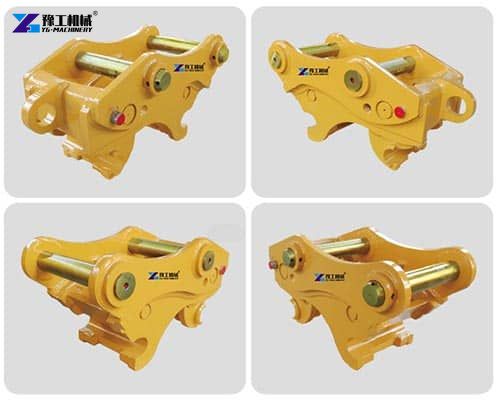
Parameters of the Quick Hitch Coupler
| Model | YG60/65 | YG70/80 | YG90 | YG100/110 |
| Suitable excavator | 9-19ton | 17-23ton | 20-30ton | 33-45ton |
| Weight | 120-130kg | 280-290kg | 420-430kg | 450-580kg |
| Length | 765mm | 924-944mm | 983-1050mm | 1006-1473mm |
| Height | 388mm | 492mm | 574mm | 558-610mm |
| Width | 353-436mm | 449-483mm | 543-568mm | 606-663mm |
| Pin to pin center distance | 380-420mm | 460-480mm | 473-540mm | 550-620mm |
| Forearm open width | 232-315mm | 306-340mm | 375-411mm | 416-469mm |
| Retractable distance of oil cylinder | 340-486mm | 256-390mm | 413-590mm | 520-590mm |
| Top to bottom pin distance | 220mm | 275mm | 300mm | 360mm |
| Pin diameter | 60-70mm | 70-80mm | 80-90mm | 90-120mm |
| Working pressure | 32-40bar | 32-40bar | 32-40bar | 32-40bar |
| Working flow | 10-20lpm | 10-20lpm | 10-20lpm | 10-20lpm |
Applications of the Excavator Quick Hitch
Quick hitch couplers are versatile tools with applications spanning multiple industries. In construction, they are essential for tasks like excavation, demolition, material handling, and trenching. Operators can switch between a bucket for digging and a hydraulic hammer for breaking concrete in minutes, streamlining workflow. In mining and quarrying, couplers enable rapid transitions between drilling, loading, and crushing attachments, optimizing resource extraction.
Agricultural applications include switching between plowing, harvesting, and material transport attachments. Landscaping and forestry operations benefit from quick transitions between brush cutters, tree shears, and mulching heads. Even in waste management, couplers facilitate efficient switching between grapples and compaction wheels, improving recycling and disposal processes.
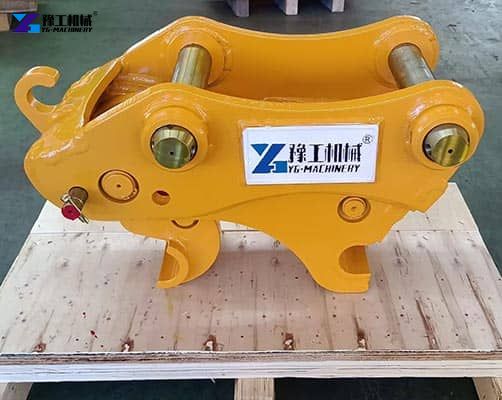
Advantages Over Traditional Methods
The benefits of Quick Hitch Couplers extend beyond time savings. Enhanced safety is a critical advantage. Manual pin insertion requires operators to work near moving parts, increasing the risk of injury. Couplers eliminate this hazard by automating the connection process. Reduced physical strain also minimizes operator fatigue, improving focus and reducing errors.
Increased efficiency translates to cost savings. Faster attachment changes mean machines spend more time working and less time idle. People can complete projects faster, reducing labor costs and improving profit margins. Versatility is another key benefit. A single machine equipped with a coupler can perform multiple tasks, reducing the need for specialized equipment and maximizing investment.
Maintenance Best Practices
Regular maintenance ensures hydraulic quick couplers operate safely and efficiently. Daily checks should include visual inspections for cracks, wear, or corrosion. Operators should clean the coupler and attachment surfaces to prevent debris buildup, which can interfere with locking mechanisms. Lubricating moving parts, such as locking pins and hydraulic cylinders, reduces friction and wear.
Periodic inspections by qualified technicians are essential. These checks should verify hydraulic system integrity, sensor functionality, and structural integrity. Replacing worn seals, o-rings, and locking components prevents leaks and failures. Proper storage, such as using protective caps when not in use, prevents contamination and damage.
Choosing the Right Excavator Quick Coupler
- Machine compatibility is paramount. The coupler must match the machine’s weight class, pin size, and hydraulic capacity. Using an undersized or incompatible coupler can compromise safety and performance.
- Attachment compatibility is equally important. Operators should evaluate whether they need a dedicated coupler for specific attachments or a universal solution that supports multiple tools.
- Quality should never be overlooked. Investing in a high-quality coupler provides peace of mind and long-term reliability.