
Skid steer front loader is a small, engine-powered machine with lift arms that attach to a wide variety of tools or attachments. The defining characteristic is its steering method. The left and right side wheels or tracks operate independently, allowing the machine to turn by skidding or dragging its wheels across the ground. This unique steering mechanism gives the front loader skid steer exceptional maneuverability, especially in confined spaces. It has become one of the most recognizable and indispensable machines in construction, agriculture, landscaping, and industrial operations.
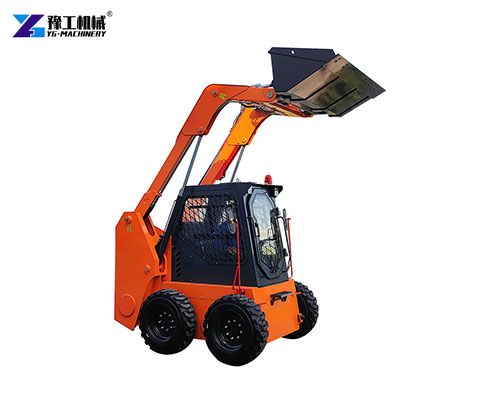
Features of Skid Steer Front Loader
One of the most notable features of a mini skid steer loader is its compact size. Despite its relatively small footprint, it delivers impressive lifting and pushing power. The rigid frame ensures stability, while the powerful hydraulic system supports smooth operation of both movement and attachments.
Another important feature is attachment versatility. Buckets, forks, augers, trenchers, grapples, snow blowers, and sweepers can be quickly mounted, transforming the machine into a multifunctional workhorse. Operator comfort has also evolved significantly, with modern skid steer front loaders offering enclosed cabs, ergonomic controls, improved visibility, and advanced safety systems.
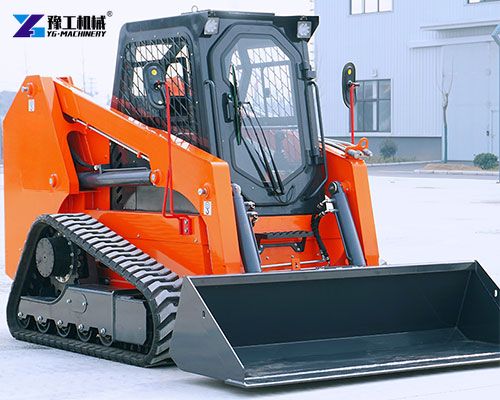
Primary Uses and Applications
The skid steer front loader is used across a wide range of industries.
- In construction, it handles material loading, debris removal, grading, and site preparation.
- In agriculture, it assists with feed handling, manure management, and general farm maintenance. Landscaping professionals rely on it for soil movement, turf preparation, and hardscape installation.
- Municipal services use small skid steer loaders for snow removal, road maintenance, and park upkeep.
- In industrial settings, they help with warehouse loading, waste handling, and facility maintenance.
The adaptability of the front loader skid steer makes it suitable for almost any task requiring lifting, pushing, digging, or transporting materials.
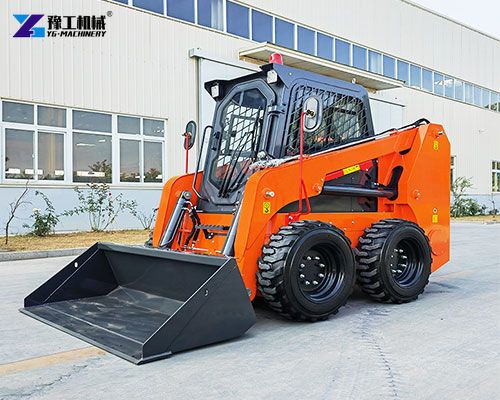
Advantages Over Other Equipment
Compared to larger loaders or excavators, the skid steer front loader offers superior maneuverability. It can turn within its own footprint, making it ideal for narrow spaces and crowded job sites. Its lower operating cost is another advantage, as it typically consumes less fuel and requires less maintenance than heavier machinery. Transport convenience is also a major benefit. Mini skid steer loader for sale can be easily hauled on a standard trailer, reducing logistics costs. Additionally, its ability to accept multiple attachments reduces the need for owning several specialized machines, delivering excellent return on investment.
Hydraulic System And Working Principle
The heart of a skid steer front loader lies in its hydraulic system. Hydraulic pumps generate pressurized fluid that powers the drive motors and lift cylinders. When the operator manipulates the controls, hydraulic valves direct fluid to specific components, enabling precise movement. Steering is achieved by varying the speed and direction of the wheels on each side. For example, slowing or reversing the wheels on one side while maintaining speed on the other allows the machine to pivot smoothly. Attachments rely on auxiliary hydraulic circuits, which provide the necessary power for digging, drilling, or sweeping actions.
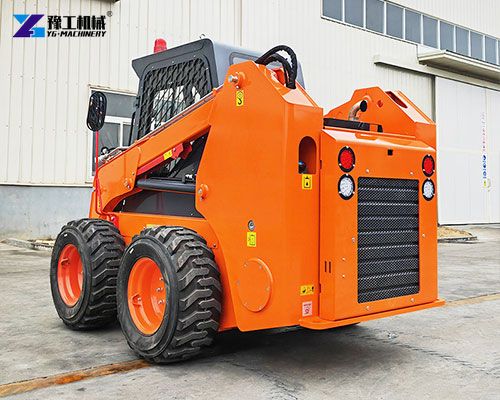
Skid Steer Front Loader Strategic Analysis: Wheels Versus Tracks
One of the biggest debates in the industry is whether to choose a wheeled skid steer or a compact track loader.
- Wheeled Skid Steer
Wheels are ideal for hard surfaces like asphalt or concrete. They offer higher travel speeds and lower operating costs because tires are cheaper to replace than tracks. They are the go-to choice for snow removal on pavement. - Compact Track Loader
Tracks provide lower ground pressure, allowing the machine to float over mud, sand, or soft turf without sinking. This extends the working season in rainy regions. While tracks are more expensive to maintain, the increased productivity in poor conditions often outweighs the cost.
Maintenance And Longevity: Keeping The Beast Running
- Daily Inspections
Operators should check engine oil, coolant levels, and hydraulic fluid every morning. Grease all pivot points daily to prevent friction-related wear on the pins and bushings. - Hydraulic System Care
The hydraulic system is the lifeblood of the machine. Ensure that all quick-couplers are clean before attaching new tools to prevent contaminants from entering the system. Change hydraulic filters at the manufacturer’s recommended intervals. - Undercarriage and Tire Maintenance
For a wheeled skid steer front loader, maintain proper tire pressure to avoid uneven wear. For tracked machines, keep the undercarriage clean of mud and debris, which can harden and cause premature wear on the idlers and rollers.