
Small tracked skid steer is a compact loader equipped with rubber tracks instead of traditional wheels. Like all skid steers, it uses a rigid frame and differential drive to turn by skidding its tracks, allowing it to pivot within its own length. The tracked design significantly improves traction and ground contact, especially on soft, muddy, snowy, or uneven surfaces. Compared with larger loaders, the small skid steer loader focuses on maneuverability and accessibility. It is designed to enter narrow spaces, work in confined areas, and reduce ground disturbance while still offering strong lifting and pushing capabilities. This balance of size and performance makes it ideal for both indoor and outdoor operations.
Main Features of Small Tracked Skid Steer
- Compact Dimensions
Its smaller frame allows access to areas that larger machines cannot reach, such as residential backyards, narrow construction sites, or indoor renovation projects. - Tracked Undercarriage
Rubber tracks distribute the machine’s weight more evenly across the ground, reducing ground pressure. This results in better flotation and less damage to sensitive surfaces like lawns or finished soil. - High Attachment Compatibility
Most small tracked skid steers support a wide range of attachments, including buckets, augers, trenchers, grapples, forks, snow blowers, and sweepers. This transforms one machine into a multi-purpose solution. - Operator Comfort and Controls
Modern designs often include ergonomic joysticks, adjustable seats, improved visibility, and optional enclosed cabs with heating or air conditioning, enhancing productivity during long working hours. - Efficient Power Output
Despite their size, these machines deliver impressive torque and hydraulic performance, allowing them to handle demanding tasks efficiently.
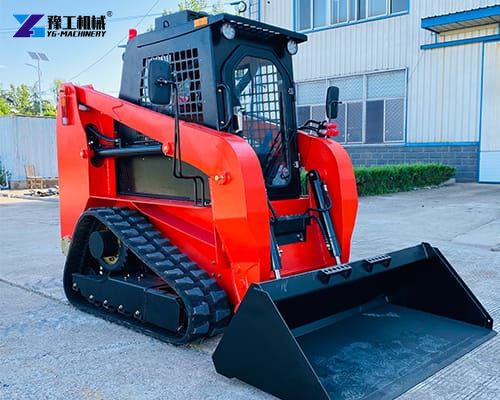
Mini Tracked Skid Steer Common Applications and Uses
The versatility of the mini tracked skid steer allows it to perform across many industries.
- Construction
On construction sites, it is commonly used for material handling, site cleanup, trenching, grading, and demolition support. Its compact size is especially valuable in urban projects with limited space. - Landscaping
Landscapers rely on these machines for soil preparation, grading, planting, hardscape installation, and debris removal. The low ground pressure of tracks helps protect finished lawns and gardens. - Agriculture and Farming
Farmers use small tracked skid steers for feeding livestock, cleaning barns, moving bales, digging post holes, and maintaining farm roads, especially in muddy or uneven conditions. - Snow Removal
Equipped with snow blades or blowers, the machine becomes a powerful winter maintenance tool for sidewalks, driveways, parking lots, and commercial properties. - Municipal and Utility Work
Municipalities and utility companies use them for road maintenance, landscaping public spaces, trenching for cables or pipes, and general maintenance tasks.
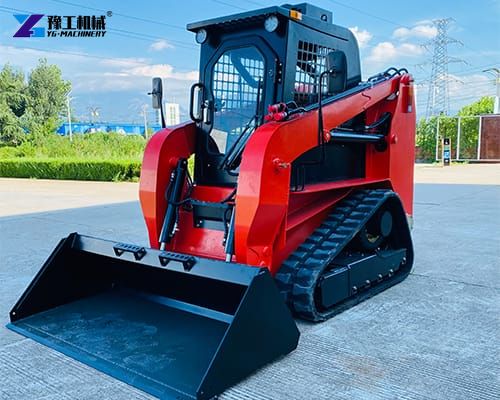
Advantages Over Traditional Equipment
Why choose a small tracked skid steer over a mini excavator or a wheeled skid steer? The advantages are rooted in efficiency and site access.
- Superior Traction: On inclines or wet grass, wheels tend to spin and lose power. Tracks bite into the surface, providing consistent pushing power (tractive effort) that allows the machine to move more material in less time.
- Stability: The lower center of gravity and the elongated footprint of the tracks make the machine much more stable when lifting heavy loads or working on side slopes.
- Increased Comfort: The tracks act as a bridge over small bumps and ruts, providing a much smoother ride for the operator compared to the jarring bounce of tires.
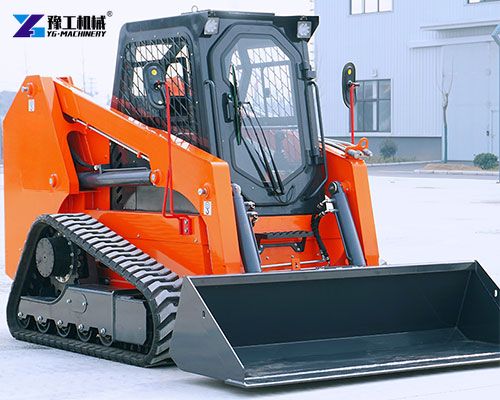
Structural Composition and Components
- The Chassis and Frame: The backbone of the machine is a heavy-duty steel frame designed to withstand the stresses of lifting and pushing. It houses the engine, hydraulic pumps, and the operator station.
- The Power Plant Most: small tracked skid steers are powered by liquid-cooled diesel engines. These engines are tuned for high torque at low RPMs, which is essential for hydraulic performance.
- The Hydraulic System: This is the lifeblood of the machine. It consists of a reservoir, pumps, control valves, and cylinders. The system not only powers the drive motors for the tracks but also provides the force for the lift arms and the auxiliary power for attachments.
- The Undercarriage: This complex assembly includes the drive sprocket, front idler, track rollers, and the rubber track itself. Modern designs often include “torsion axles” or suspended undercarriages to reduce vibration further.
Maintenance and Longevity
Track Tensioning: The most common mistake is running tracks too loose or too tight. Loose tracks can de-track, causing damage to the drive sprocket. Tight tracks increase wear on the rollers and bearings. Check tension daily.
Cleaning the Undercarriage: Mud and rocks can harden inside the undercarriage, acting like sandpaper against the moving parts. Pressure wash the tracks and rollers at the end of every workday, especially in freezing temperatures where mud can freeze and seize the rollers.
Fluid Management: Check engine oil, hydraulic fluid, and coolant levels every morning. Use only the manufacturer-recommended hydraulic oil, as compact systems operate at very high pressures and temperatures.