
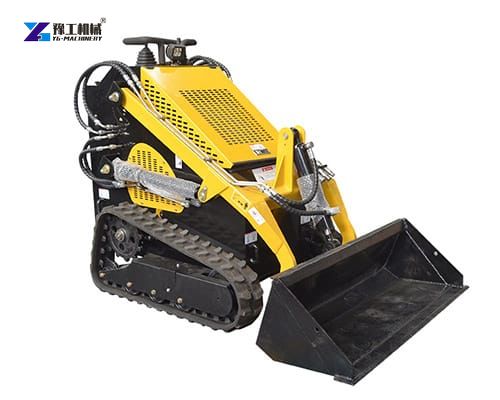
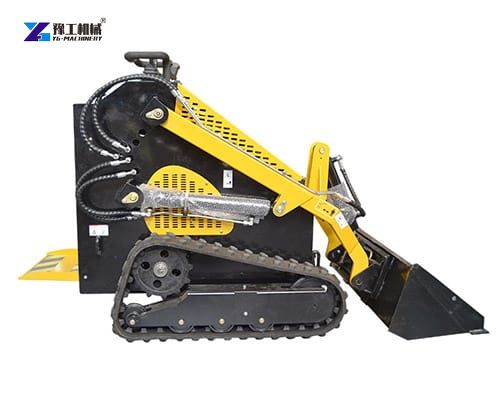
Mini track skid steer is a compact, track-driven loader designed to perform a wide range of material handling and job site tasks. Compared to traditional wheeled skid steers, this machine uses rubber tracks, allowing it to distribute weight more evenly across the ground. The result is enhanced traction, reduced ground pressure, and superior performance on soft, uneven, or delicate surfaces. It has emerged as a revolutionary machine in construction, landscaping, and agriculture, offering unparalleled versatility in confined spaces.
Features of Mini Track Skid Steer
- One of the most noticeable features is its compact size. These machines are narrow enough to pass through gates, doorways, and tight access points, making them ideal for urban and residential projects. Despite their size, they deliver impressive lifting capacity and breakout force.
- Another important feature is the tracked undercarriage. Rubber tracks improve traction on slopes, mud, snow, and loose soil while minimizing surface damage. This makes the machine suitable for turf-sensitive areas where wheeled equipment might cause ruts or compaction.
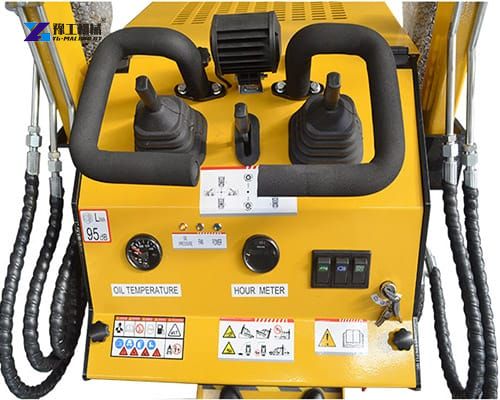
- Operator control systems are also a highlight. Many small track skid steer models offer intuitive joystick controls, responsive hydraulics, and smooth operation, reducing operator fatigue and improving precision.
- Finally, attachment compatibility is a major feature. From buckets and augers to trenchers and grapples, the mini track skid steer can be quickly adapted to different tasks, maximizing utilization.
Structural Composition and Components
- The Chassis And Frame
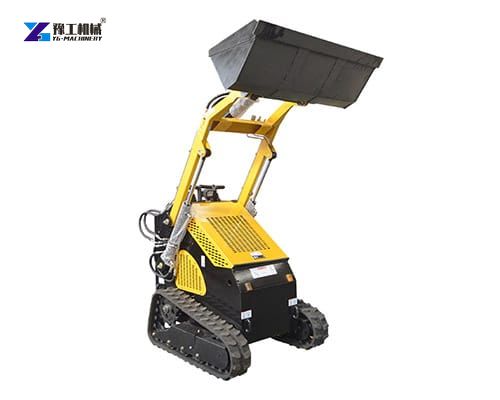
The frame is the backbone of the machine, typically constructed from high-strength steel to withstand the stresses of lifting and pushing. It provides the mounting points for the engine, hydraulic system, and loader arms. - The Undercarriage
The track system consists of several components, including drive sprockets, idlers, rollers, and the rubber tracks themselves. The design of the undercarriage determines the machine’s stability and how well it handles debris like rocks or mud. - The Power Plant
Most mini track skid steers are powered by liquid cooled diesel or gasoline engines. These engines are optimized for high torque at low speeds, providing the necessary “grunt” for digging and lifting. - The Hydraulic System
This is the heart of the machine. The engine drives a hydraulic pump that sends pressurized fluid to the drive motors and the cylinders that control the loader arms and attachments. The efficiency of the hydraulic system directly correlates to the machine’s “breakout force,” which is the ability of the bucket to pry through tough material.
Common Uses Across Industries
The versatility of the small track skid steer loader is one of its strongest selling points. Its applications span multiple industries and job types.
- In landscaping, it is widely used for grading, soil movement, sod installation, tree planting, and debris cleanup. The low ground pressure of the tracks protects lawns and finished surfaces, a critical requirement for residential projects.
- In construction, the machine supports material handling, site preparation, demolition in confined spaces, and interior renovation tasks. Its compact profile allows it to operate where larger loaders cannot fit.
- Agricultural operations use mini track skid steers for feeding livestock, cleaning barns, moving hay bales, and maintaining property. The machine’s maneuverability is especially useful in tight farm structures.
- Municipal and utility work also benefits from these machines. Tasks such as trenching for cables, repairing sidewalks, clearing snow, and maintaining parks are more efficient with a compact tracked loader.
Mini Track Skid Steer Advantages
- One major advantage is minimal ground disturbance. Rubber tracks spread the machine’s weight over a larger surface area, reducing soil compaction and surface damage. This is especially important for landscaping and turf care.
- Another advantage is superior traction and stability. Tracks maintain contact with the ground over uneven terrain, slopes, and slippery conditions, improving safety and productivity.
- Transport and storage are also easier. The compact dimensions and lower operating weight mean that a mini track skid steer can often be transported on smaller trailers and towed by light-duty vehicles.
- Cost efficiency is another benefit. Compared to larger skid steers or compact track loaders, mini models typically consume less fuel, have lower maintenance costs, and represent a smaller initial investment.
How Does A Mini Track Skid Steer Work?
The small track skid steer loader operates through a combination of hydraulic power and mechanical motion.
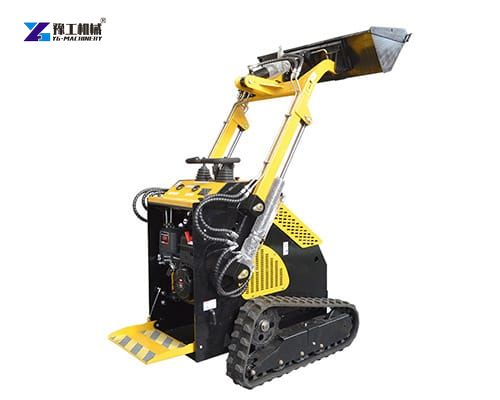
- The engine drives a hydraulic pump, which sends pressurized fluid to hydraulic motors connected to the tracks. By varying the flow to each track, the machine can move forward, backward, and turn in place, a defining characteristic of skid steer design.
- The lift arms are also hydraulically controlled. When the operator activates the controls, hydraulic cylinders raise or lower the arms and tilt the attachment as needed.
- Attachments connect via a standardized mounting plate and receive hydraulic power when required. This modular system allows quick changes between tasks, enhancing efficiency on the job site.
Performance Analysis and Efficiency
From a performance standpoint, the mini track skid steer excels in environments where space, surface protection, and maneuverability matter most.
- Its power-to-size ratio is particularly impressive. Modern engines and hydraulic systems deliver strong lifting and digging capabilities relative to the machine’s compact footprint.
- Efficiency is further improved by reduced downtime. Easy access to service points, simplified controls, and durable components contribute to reliable daily operation.
- Noise and vibration levels are generally lower than those of larger equipment, making these machines more suitable for residential and indoor projects.
Choosing the Suitable Mini Track Skid Steer
Selecting the right track skid steer loader requires careful evaluation of your specific needs.
- Start by considering operating capacity and lift height. These specifications determine what materials you can safely handle and how high you can load.
- Engine type and horsepower also matter. More demanding attachments require higher hydraulic output and engine power.
- Track design should match your typical terrain. Some tracks are optimized for soft ground, while others offer better durability on hard surfaces.
- Attachment compatibility is another key factor. Ensure that the machine supports the tools you plan to use now and in the future.
- Finally, consider after-sales support, parts availability, and warranty coverage. Reliable service can significantly reduce long-term ownership costs.