
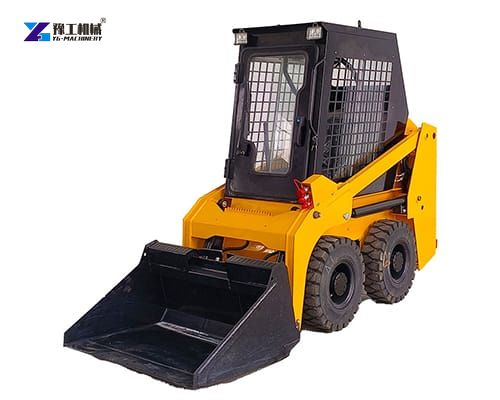
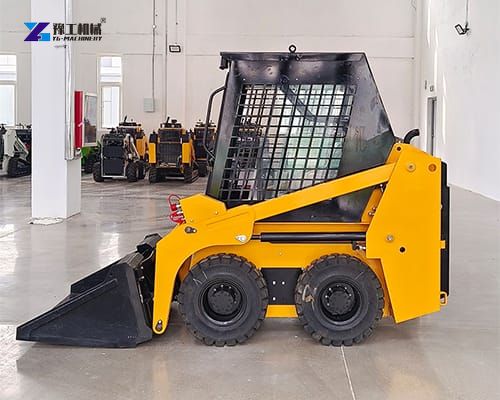
Wheeled skid steer loader is a compact, engine-powered machine featuring lift arms that can attach to a wide range of labor-saving tools or attachments. Skid steer loaders use their unique steering mechanism—skid steering—where the wheels on each side operate independently. This design allows operators to “skid” or drag the wheels on one side while the opposite side moves forward, enabling sharp turns, zero-radius pivots, and exceptional maneuverability. The wheeled variant distinguishes itself from its tracked counterpart by offering superior speed, smoother movement on hard surfaces, and easier transport. These machines are typically equipped with four-wheel drive, enhancing traction and performance in challenging terrain. Their compact size and powerful engines make them ideal for projects requiring precision and efficiency in confined areas.
Components and Design Features
The anatomy of a wheeled skid steer loader includes several critical components that contribute to its functionality and reliability.
- The engine, usually diesel-powered for maximum torque and durability, drives the hydraulic system and powers attachments. Hydraulic systems control the lift arms, bucket, and auxiliary functions, allowing seamless operation of multiple tools without manual intervention.
- The operator’s cab is designed for comfort, safety, and visibility. Features like ergonomic controls, adjustable seats, climate control, and advanced instrumentation ensure operators remain productive and safe during long shifts.
- Lift arms are the backbone of the skid steer loader’s versatility. These robust structures support various attachments, from buckets and forks to augers, trenchers, and sweepers. Quick-attach systems allow operators to switch between tools rapidly, minimizing downtime and maximizing productivity.
Applications Across Industries
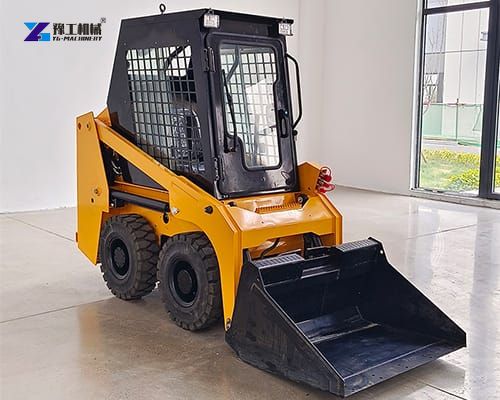
Wheeled skid steer loaders are employed in a diverse array of industries due to their adaptability and efficiency.
In construction, they excel at site preparation, material handling, demolition, and excavation. Their compact size allows them to operate in urban construction sites where space is limited, while their power enables them to handle heavy materials like gravel, sand, and debris.
Agricultural applications include feed handling, manure management, silage distribution, and field preparation. Farmers appreciate their ability to navigate narrow farm paths, load trailers, and perform tasks that would otherwise require multiple machines. Landscapers rely on skid steer loaders for tasks such as grading, trenching, tree planting, and material transport, enhancing their ability to complete projects quickly and professionally.
Infrastructure and road maintenance crews use these machines for snow removal, pothole repair, debris clearance, and utility installation. Their agility makes them perfect for repairing roads, bridges, and drainage systems without disrupting traffic or causing significant delays.
Advantages of Wheeled Skid Steer Loaders
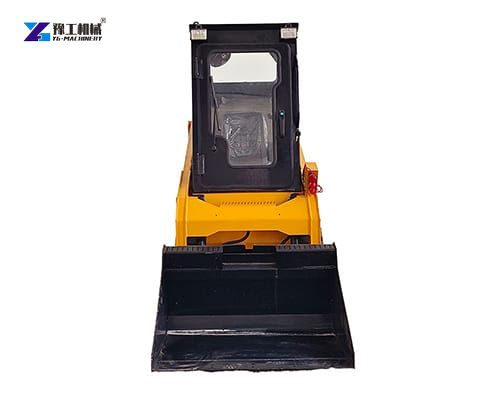
First, their compact size and maneuverability make them ideal for projects in confined spaces, such as warehouses, barns, and urban construction sites. Unlike larger machines, they can navigate narrow aisles, doorways, and crowded job sites without difficulty.
Second, their versatility is unmatched. With over 100 available attachments, a single skid steer loader can perform dozens of tasks, reducing the need for specialized equipment and minimizing capital investment. This adaptability translates to lower operational costs and increased profitability for businesses.
Third, wheel skid steer loaders are known for their durability and low maintenance requirements. High-quality components, robust construction, and efficient engineering ensure these machines withstand heavy use and harsh conditions. Routine maintenance is straightforward, and parts are widely available, minimizing downtime and repair costs.
Fourth, operator comfort and safety are prioritized in modern designs. Ergonomic cabs, intuitive controls, and advanced safety features reduce fatigue and improve job satisfaction, leading to higher productivity and lower turnover rates.
Factors to Consider When Choosing a Wheeled Skid Steer Loader
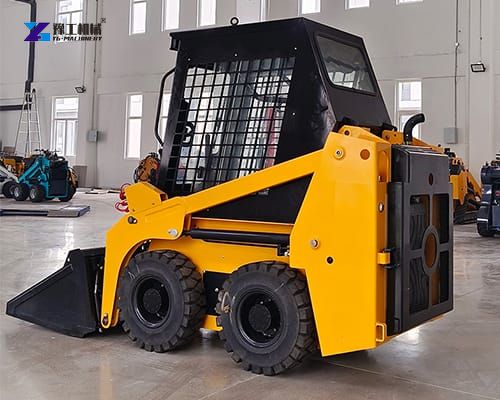
Selecting the right wheeled skid steer loader requires careful consideration of several factors.
- First, assess the machine’s lifting capacity and reach. Different models offer varying lift heights and capacities, so it’s essential to match the machine’s specifications to the tasks it will perform. Overloading a machine can lead to premature wear, safety hazards, and reduced efficiency.
- Engine power and fuel efficiency are critical considerations. Diesel engines typically provide higher torque and longer lifespan, while gasoline engines may offer easier maintenance and lower initial costs. Fuel efficiency impacts operational costs, so evaluate the engine’s performance and consumption rates carefully.
- Attachment compatibility is another vital factor. Ensure the machine’s hydraulic system and quick-attach mechanism support the attachments required for your operations. Investing in a machine with universal attachment compatibility can save time and money in the long run.
Maintenance and Care Best Practices
- Proper maintenance is essential to maximize the lifespan and performance of a wheeled skid steer loader. Regular inspections should include checking fluid levels, tire pressure, hydraulic hoses, and electrical connections. Lubricating moving parts, cleaning air filters, and inspecting belts and chains prevent premature wear and ensure smooth operation.
- Daily maintenance routines should include cleaning debris from the machine, checking for leaks, and ensuring all safety features are functional. Weekly tasks may involve more thorough inspections, such as checking engine oil, coolant, and hydraulic fluid levels, as well as inspecting brakes, steering components, and tires.
- Seasonal maintenance is also crucial. Winterization may include changing to winter-grade fluids, installing cold-weather accessories, and ensuring the machine’s heating system is functional. Summer maintenance may involve checking cooling systems, ensuring proper ventilation, and protecting the machine from excessive heat and dust.