
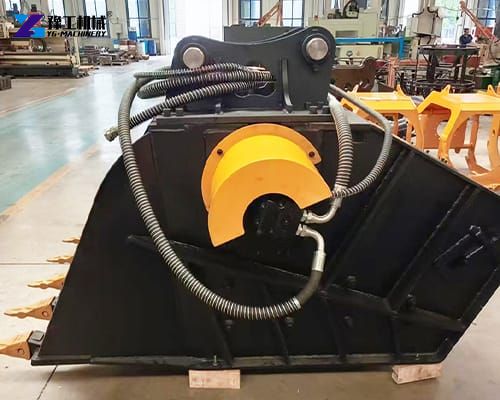
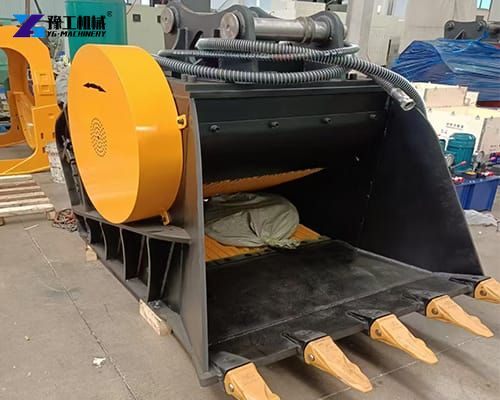
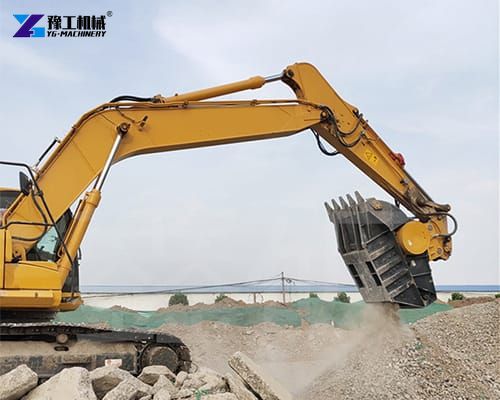
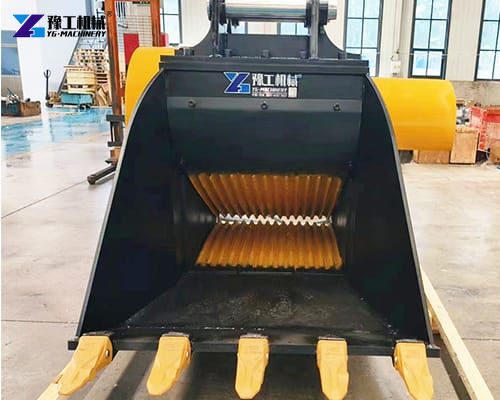
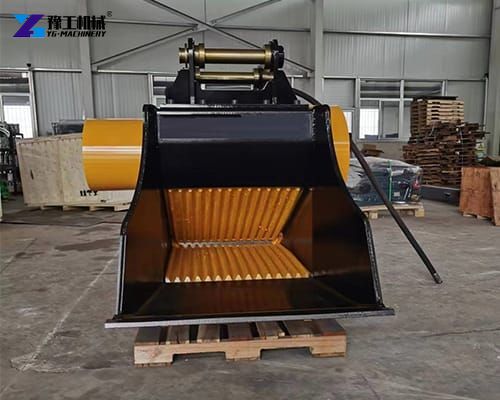
Rock crusher bucket for excavator is a specialized attachment designed to mount onto the arm of an excavator. It transforms the excavator into a mobile crushing machine, allowing it to crush rocks, concrete, asphalt, and other hard materials into reusable aggregates. The rock crusher buckets can be easily moved between job sites and operated directly where materials are located. This portability eliminates the need for hauling large rocks or debris to a separate crushing facility, saving time, fuel, and labor costs. Additionally, rock crusher buckets are eco-friendly, as they promote recycling by turning waste materials into valuable resources for reuse on-site.
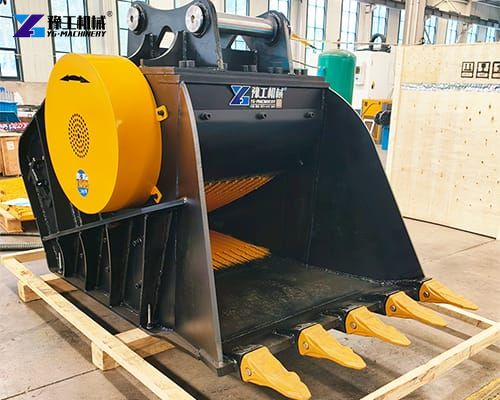
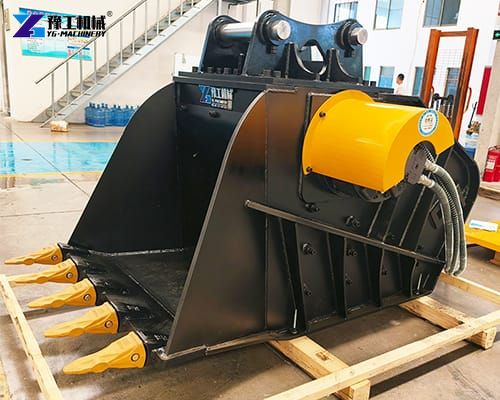
Advantages of Using a Rock Crusher Bucket for Excavator
- Cost Savings
By processing materials on-site, contractors avoid the expenses associated with transporting rocks to a crushing facility and purchasing new aggregates. This leads to significant reductions in project costs. - Time Efficiency
Rock crusher buckets enable immediate processing of materials, speeding up project timelines. There’s no waiting for external crushers or dealing with delays caused by material transportation. - Environmental Benefits
Recycling materials on-site reduces waste sent to landfills and lowers carbon emissions from transportation. Additionally, reusing crushed aggregates minimizes the demand for virgin resources, promoting sustainable construction practices. - Increased Productivity
With a rock crusher bucket, an excavator can perform multiple tasks—digging, lifting, and crushing—without switching attachments frequently. This streamlines operations and boosts overall productivity.
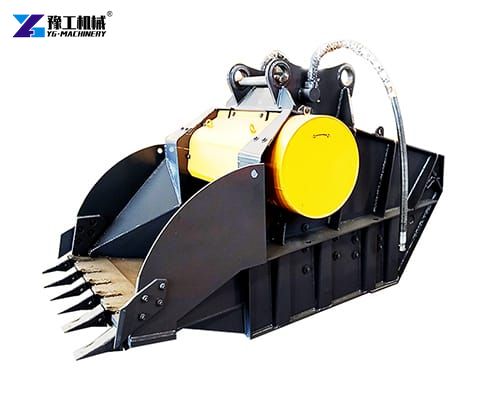
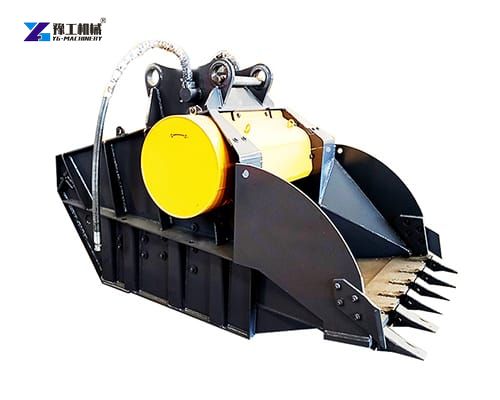
How Does a Rock Crusher Bucket Work?
The working principle of a rock crusher bucket for excavator depends on its design, but most operate similarly to traditional crushers:
- Loading the Material
The excavator’s arm positions the bucket over the material to be crushed, such as a boulder or concrete slab. The bucket’s jaws or drums close around the material, securing it in place. - Applying Crushing Force
The hydraulic cylinders activate, moving the jaws toward each other or rotating the drums. This applies immense pressure to the material, causing it to fracture into smaller pieces. - Adjusting Output Size
If the bucket has an adjustable gap setting, the operator can modify the distance between the jaws or drums to produce different sizes of crushed material. - Releasing the Crushed Material
Once the material is crushed to the desired size, the bucket opens, and the excavator’s arm moves to deposit the aggregate in a designated area for reuse.
Applications of Rock Crusher Buckets for Excavators
The versatility of rock crusher bucket for excavator makes them valuable across multiple industries and applications:
- Construction Sites
On construction projects, rock crusher buckets can crush concrete rubble from demolished buildings into reusable aggregate for foundations, roads, or drainage systems. This reduces the need to purchase new materials and lowers disposal costs. - Mining Operations
In mining, these buckets help process ore or overburden directly at the extraction site, improving efficiency and reducing the environmental impact of transporting raw materials to distant processing plants. - Quarrying
Quarry operators use rock crusher buckets to produce smaller stones or gravel from larger boulders, creating a steady supply of aggregates for construction or landscaping without relying on external crushers. - Landscaping and Excavation
Landscapers and excavators benefit from rock crusher buckets when clearing land or preparing sites. They can crush large rocks into smaller pieces suitable for filling or grading, eliminating the need for manual breaking or blasting.
Features of Rock Crusher Buckets for Excavators
- Versatility
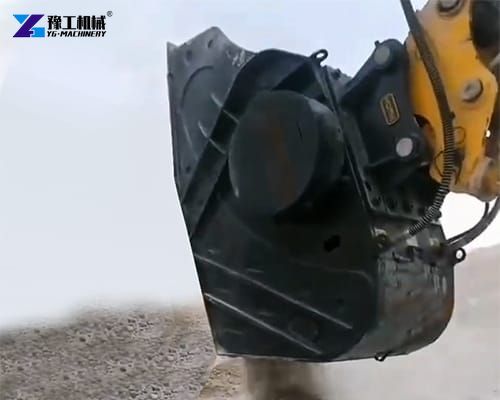
The rock crusher bucket for excavator can handle a wide range of materials, including natural rock, concrete, bricks, and asphalt. Some models are even capable of crushing glass and other non-abrasive materials, making them suitable for diverse applications. - Adjustable Output Size
Most rock crusher buckets allow operators to adjust the size of the crushed material by changing the gap between the jaws or rotating drums. This flexibility ensures that the output meets specific project requirements, whether you need fine sand or coarse gravel. - High Crushing Power
Despite their compact size, rock crusher buckets are engineered to deliver impressive crushing forces. They can process materials up to a certain hardness level, depending on the model, and are often equipped with reinforced jaws or teeth to withstand tough conditions. - Easy Installation and Operation
These buckets are designed for quick attachment to excavators of various sizes, typically using a quick coupler system. Once mounted, they can be operated using the excavator’s hydraulic system, requiring minimal additional training for operators. - Durability and Low Maintenance
Built with robust materials like high-strength steel, rock crusher buckets are built to last. Their simple design minimizes the number of moving parts, reducing the risk of breakdowns and simplifying maintenance tasks.
How to Choose the Right Rock Crusher Bucket for Your Excavator
Selecting the right rock crusher bucket involves considering several factors:
- Excavator Size and Capacity
Ensure the bucket is compatible with your excavator’s size and hydraulic flow rate. Using an undersized bucket can lead to inefficiency, while an oversized one may strain the excavator’s system. - Material Type and Hardness
Choose a rock crusher bucket for excavator designed to handle the specific materials you’ll be crushing. For example, jaw crusher buckets are better suited for hard rocks, while drum crushers work well with softer materials. - Desired Output Size
If you need precise control over the size of the crushed material, opt for a bucket with an adjustable gap setting or integrated screening capabilities. - Budget and Cost of Ownership
Consider not only the initial purchase price but also long-term costs like maintenance, replacement parts, and fuel consumption. A durable, low-maintenance bucket may offer better value over time.