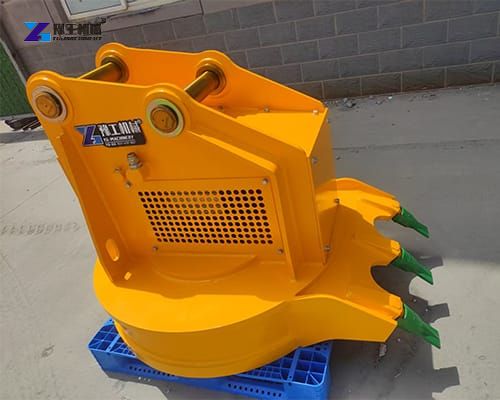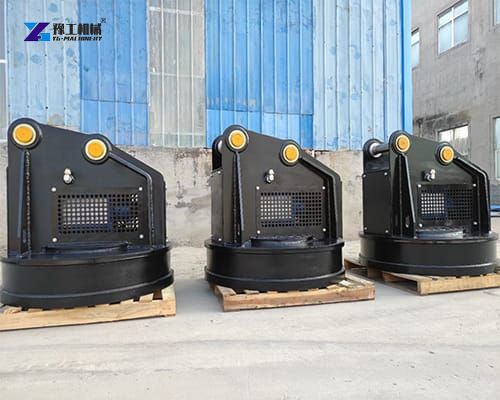
Hydraulic scrap magnet has become an indispensable attachment for excavators used in demolition, metal recycling, and foundry operations. Unlike permanent magnets or electrically powered units that require external generators, the hydraulic metal magnet attachment draws its energy directly from the host machine’s auxiliary hydraulic circuit, offering unparalleled mobility and instant on-off control. Among the diverse lineup of excavator attachments engineered for material handling, the hydraulic excavator magnet has emerged as an essential piece of equipment. Combining fluid power dynamics with high-intensity electromagnetic lifting, this versatile tool converts standard excavators into autonomous, highly mobile metal sorting machines. If you are looking for a hydraulic magnet for metal handling, please contact us, and we will help you find a suitable model.
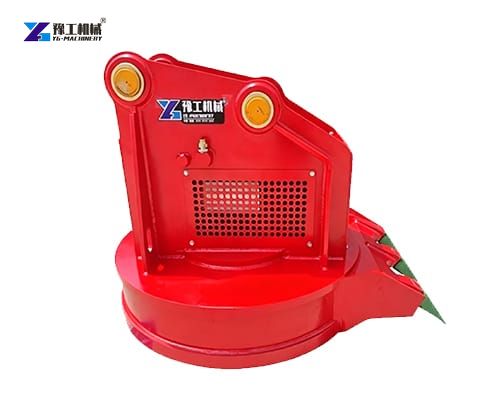
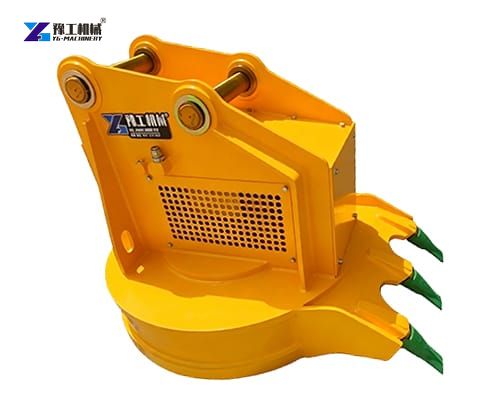
Parameters of the Hydraulic Scrap Magnet
| Model | YGML02 | YGML04 | YGML06 | YGML08 | YGML10 | YGML14 | YGML20 |
| Suitable excavator | 4-6T | 7-11T | 12-16T | 17-23T | 24-30T | 31-40T | 41-50T |
| Weight | 1400kg | 1500kg | 1890kg | 2000kg | 2200kg | 2500kg | 2800kg |
| Power | 5kw | 8kw | 8kw | 10kw | 10kw | 15kw | 15kw |
| Outer diameter | 700mm | 800mm | 900mm | 1100mm | 1200mm | 1300mm | 1400mm |
| Working flow | 30-55 lpm | 50-100 lpm | 90-110 lpm | 100-140 lpm | 130-170 lpm | 200-250 lpm | 250-320 lpm |
| Working pressure | 170 bar | 180 bar | 190 bar | 200 bar | 210 bar | 250 bar | 250 bar |
Fundamentals of the Hydraulic Magnet Attachment
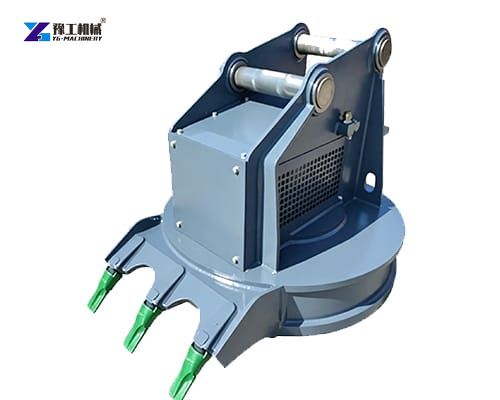
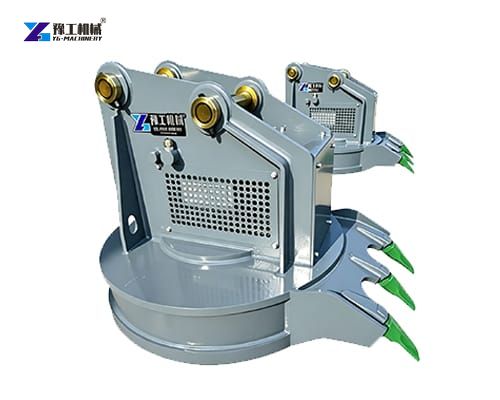
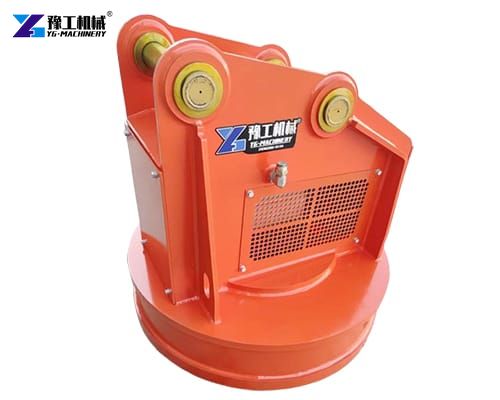
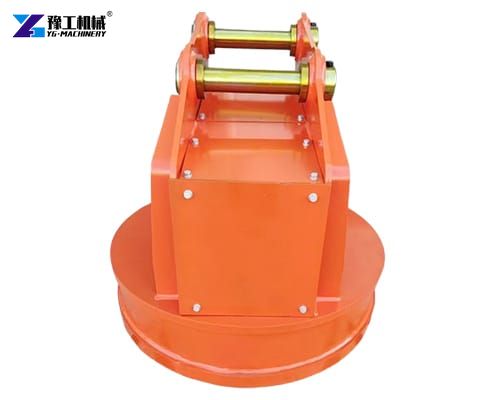
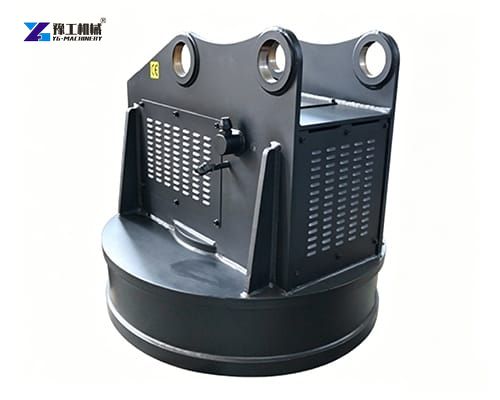
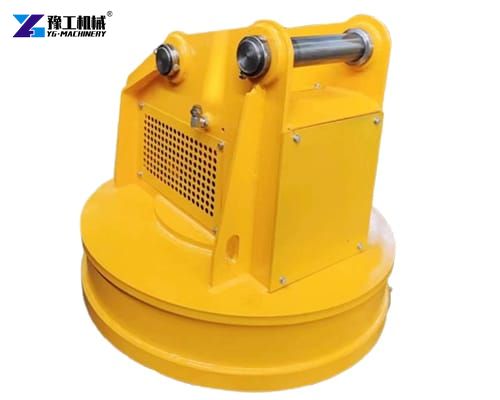
A hydraulic scrap magnet is a heavy-duty carrier attachment designed to collect, sort, and transfer ferrous metals without relying on external diesel generators or land-based electrical grid infrastructure. The hydraulic magnet for excavator utilizes the host excavator auxiliary hydraulic circuit to drive an onboard hydraulic motor coupled directly to a compact electric generator. This internal generator converts fluid flow into direct electrical current, energizing the internal magnet coils to generate a concentrated magnetic flux field capable of lifting massive steel plates, structural beams, rebar bundles, cast iron fragments, and loose scrap turnings. By housing the power generation mechanism within the magnet assembly, operators gain a plug-and-play solution. Attaching the magnet requires connecting standard auxiliary hydraulic lines and securing the mounting linkage. This seamless integration makes the excavator hydraulic magnet a preferred choice for high-volume demolition jobs, scrap processing yards, railway corridor maintenance, and smelting plant operations.
Structural and Engineering Features
High-Strength Wear-Resistant Enclosure
The outer body is constructed from high-tensile alloy steel engineered to absorb extreme physical shocks during rapid swinging and contact with jagged scrap piles. The bottom plate, which contacts metal debris directly, is fabricated from non-magnetic manganese steel. This choice prevents the bottom shell from becoming permanently magnetized while providing excellent resistance against severe abrasion and impact.
Encapsulated Thermal-Resistant Electromagnetic Coils
At the core of the magnet lies a series of high-purity electrical windings. These coils are vacuum-impregnated with specialized synthetic resin and high-grade thermal insulation materials. Encapsulation prevents moisture ingress, dust contamination, and internal conductor movement caused by machine vibration during continuous operations.
Integrated Hydraulic Drive and Power Generation Unit
Protected within a fortified upper housing, the hydraulic motor and generator function in unison. The motor receives regulated oil flow from the carrier machine and maintains precise rotational speed, ensuring the generator delivers clean, stable electrical voltage to the coil system without voltage drop issues.
Fast-Discharge Demagnetization Circuitry
To ensure clean material dumping, modern control units incorporate fast discharge mechanisms. When the operator deactivates the magnet, the circuit briefly applies a reverse electric pulse. This instantly cancels residual magnetic attraction, allowing fine steel turnings, wire mesh, and tangled rebar to drop freely without sticking to the magnet face.
Applications Across Industrial Operations
The adaptability of the hydraulic scrap magnet makes it invaluable across multiple industrial sectors where fast, safe ferrous material sorting is required.
Structural Demolition and Site Reclamation
During building demolition, concrete structures yield massive quantities of crushed debris interwoven with steel reinforcement bars. A hydraulic magnet attachment allows excavator operators to sweep through rubble piles, extracting clean rebar and steel girders rapidly.
Scrap Metal Recycling Facilities
Scrap yards operate on high volume and speed. Mobile excavators equipped with hydraulic excavator magnets efficiently unload trucks, feed scrap shears, sort mixed stockpiles, and stack scrap metal in shipping containers.
Railway Track Removal and Infrastructure Upgrades
Replacing railway lines produces thousands of heavy steel rails, tie plates, spikes, and joint bars along extended right-of-way corridors. Hydraulic scrap magnets mounted on crawler or hi-rail excavators quickly collect loose iron components along track lines, reducing manual handling risks for ground crews.
Foundry Operations and Slag Processing
In steel mills and smelting plants, hot slag and spilled iron must be cleared from processing pits. High-temperature rated hydraulic metal magnet attachments allow operators to recover valuable metallic remnants from slag heaps cleanly and safely.
Port Terminals and Bulk Vessel Handling
Port facilities handling bulk metal shipments utilize high-capacity hydraulic magnets on long-reach excavators to transfer loose scrap from supply trucks into vessel holds or storage barges with high hourly throughput.
Advantages Over Conventional Electrical Magnets
Unmatched Mobility and Site Accessibility
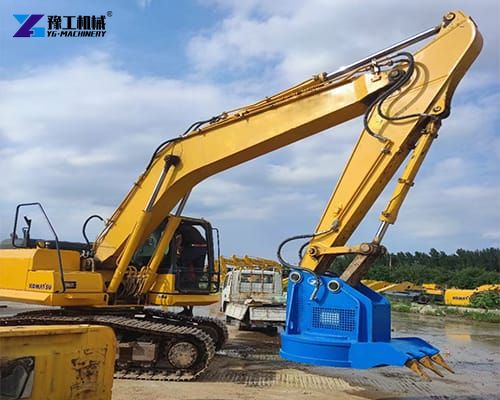
Because power generation takes place directly inside the attachment housing, carrier machines retain full terrain mobility. Operators can navigate muddy fields, rocky inclines, and tight urban demolition sites without maneuvering trailing generator carts or managing trailing high-voltage power lines.
Lower Capital Expenditure and Operating Costs
Eliminating an external diesel generator set reduces initial acquisition costs, cuts overall fuel consumption, and eliminates additional engine maintenance routines such as oil changes, filter replacements, and spark plug servicing.
Rapid Tool Attachment Swapping
When paired with quick-coupler systems, excavators can switch between hydraulic shears, rock breakers, demolition grapples, and hydraulic magnets in minutes. This versatility keeps primary machines active throughout multi-phase projects.
Consistent Magnetic Performance Throughout Long Shifts
Advanced coil cooling channels and optimized heat dissipation structures limit thermal resistance buildup. Maintaining lower internal coil temperatures prevents drop-offs in magnetic force during continuous multi-shift operations.
Essential Purchase Guide for Selecting the Right Hydraulic Scrap Magnet
- Verify Carrier Auxiliary Capacity
Review the host excavator specification sheet to confirm auxiliary oil flow and pressure settings match attachment requirements. Insufficient flow reduces generator output and weakens magnetic pull, while excessive pressure can damage hydraulic motor seals. - Analyze Scrap Material Profiles
Consider the types of metal handled most frequently. Solid, flat steel plates provide complete contact surfaces, generating high magnetic holding force. Conversely, loose iron turnings, tangled rebar, and shredded scrap contain air gaps, requiring a larger magnet face and deeper magnetic field penetration. - Select the Ideal Mounting Configuration
Choose between a flexible chain suspension mount or a rigid quick-coupler adapter. Chain suspensions allow the magnet to rest flat on uneven piles and isolate the boom from shock loads. Rigid adapters offer precise positioning control for picking scrap out of deep bins or narrow truck beds.