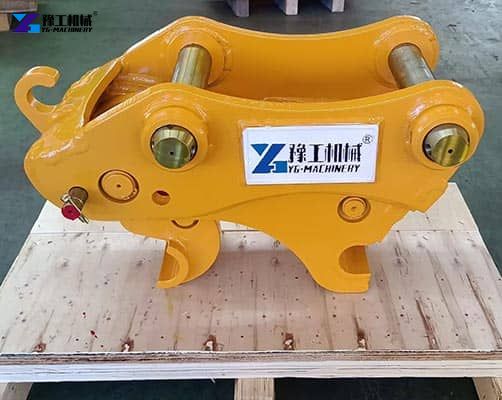
In today’s construction, demolition, mining, and landscaping industries, efficiency is everything. One of the most effective solutions for achieving these goals is installing a quick hitch coupler on an excavator. A quick hitch coupler, also known as a quick coupler, allows operators to switch between different attachments quickly and safely without spending valuable time on manual attachment changes. Whether you need to switch from a bucket to a hydraulic breaker hammer, grapple, ripper, or auger, the right quick hitch coupler can significantly improve jobsite efficiency. This guide explores the key factors you should consider when choosing the best quick hitch coupler for your excavator.
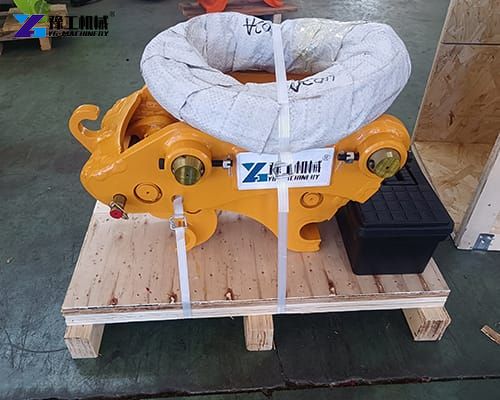
Understanding the Core Types of Quick Hitch Couplers
Before diving into specifications, you must understand the mechanical philosophy behind the two primary types of quick couplers available on the market: Mechanical and Hydraulic.
Mechanical Quick Couplers
Mechanical couplers require the operator to physically leave the excavator cab to engage or disengage the attachment. This is typically done using a manual internal screw mechanism, a lever, or a specialized wrench to lock the coupler onto the attachment pins.
Hydraulic Quick Couplers
Hydraulic couplers are operated directly from the comfort and safety of the excavator cab. Utilizing the excavator’s auxiliary hydraulic system, a cylinder inside the hitch extends or retracts to lock onto the attachment pins at the flip of a switch.
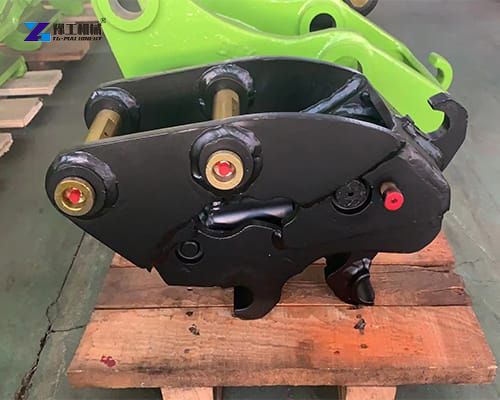
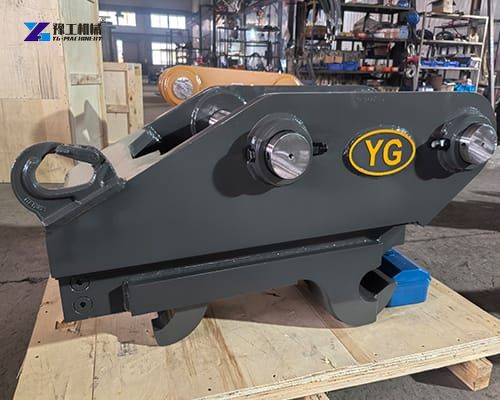
Parameters of Hydraulic Quick Hitch Couplers
| Model | YG60/65 | YG70/80 | YG90 | YG100/110 |
| Suitable excavator | 9-19ton | 17-23ton | 20-30ton | 33-45ton |
| Weight | 120-130kg | 280-290kg | 420-430kg | 450-580kg |
| Length | 765mm | 924-944mm | 983-1050mm | 1006-1473mm |
| Height | 388mm | 492mm | 574mm | 558-610mm |
| Width | 353-436mm | 449-483mm | 543-568mm | 606-663mm |
| Pin to pin center distance | 380-420mm | 460-480mm | 473-540mm | 550-620mm |
| Forearm open width | 232-315mm | 306-340mm | 375-411mm | 416-469mm |
| Retractable distance of oil cylinder | 340-486mm | 256-390mm | 413-590mm | 520-590mm |
| Top to bottom pin distance | 220mm | 275mm | 300mm | 360mm |
| Pin diameter | 60-70mm | 70-80mm | 80-90mm | 90-120mm |
| Working pressure | 32-40bar | 32-40bar | 32-40bar | 32-40bar |
| Working flow | 10-20lpm | 10-20lpm | 10-20lpm | 10-20lpm |
Why Choosing the Right Quick Hitch Coupler Matters?
It acts as an interface between the excavator and its attachments, enabling operators to connect and disconnect tools quickly.
Without a quick coupler, changing attachments often requires manual pin removal, additional labor, and considerable downtime. With a quick hitch system, attachment changes can be completed in minutes, increasing machine utilization and overall productivity.
The quick couplers are designed to improve safety, reduce labor costs, and enhance operational flexibility across a wide range of applications.
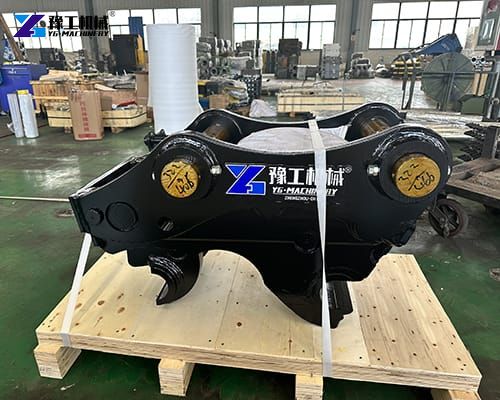
Factors to Consider When Choosing
- Machine compatibility
1. Model and serial number: Ensure the hitch is rated for your excavator’s weight class and arm geometry.
2. Pin diameter and spacing: Many hitches require specific bucket pin sizes and mounting patterns.
3. Hydraulic flow/pressure (for hydraulic hitches): Match to your machine’s hydraulic system. - Load ratings and safety
1. Rated Impact Force (RIF) or breakout force: Confirm the hitch’s safety rating matches the heaviest attachment you’ll use.
2. Verify pin/panel engagement: Ensure the locking mechanism is strong enough for your typical loads and that there’s a clear, audible/visual verification. - Speed vs. safety balance
If you frequently switch between tools, a hydraulic or auto-lock system saves time but ensure it has reliable locking indicators and safety interlocks. - Durability and materials
Look for forged steel components, heat-treated locking arms, and protective coatings to resist wear, dirt, and corrosion.