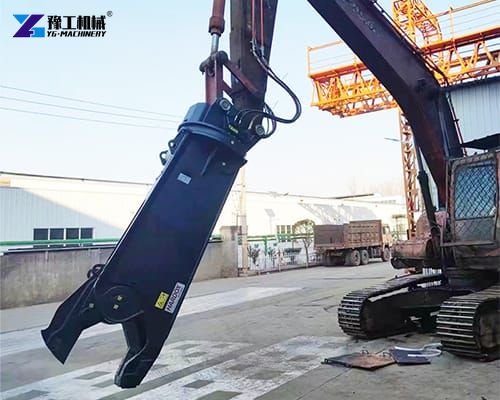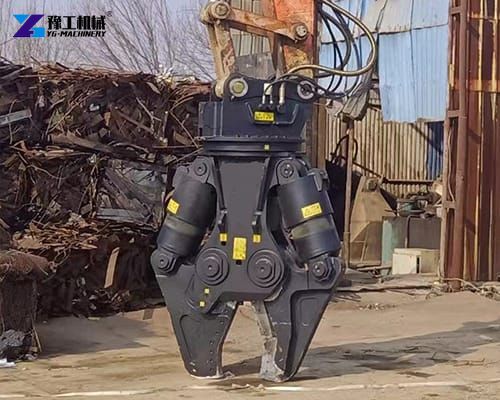
If we work in demolition, scrap metal processing, or structural dismantling, we already know that the hydraulic metal shears mounted on excavator is one of the most decisive tools for productivity and profitability. Different from a breaker or a grapple, shears deliver precise cutting force to tear through steel beams, rebar, pipes, vehicle frames, and even reinforced concrete structures. But choosing the right hydraulic metal shears for excavators is far more complicated than picking the model that fits our budget. Pick a model that is too small, and it will end up wasting hours waiting for it to cut through thick steel, burning unnecessary fuel, and missing project deadlines. Pick an unnecessarily oversized model, and it will sink money into extra weight that puts unplanned stress on our excavator’s boom and reduces our machine’s lifting capacity. This guide will walk we through every critical factor we need to evaluate before making our purchase, so we can end up with a shear that matches our machine, our work volume, and our long-term operational goals perfectly.
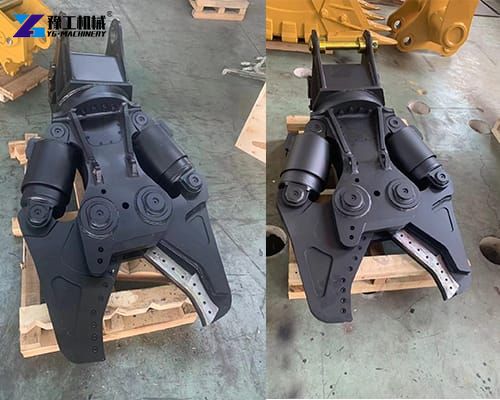
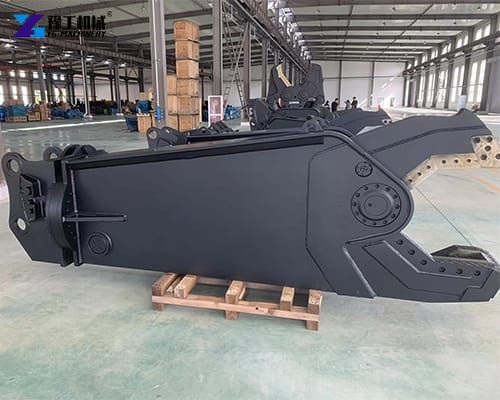
Single Cylinder Excavator Metal Shears Specifications
| Model | YG50R | YG100R | YG130R | YG180R | YG310R | YG410R |
| Forearm mounted model | 6-9T | 10-12T | 13-17T | 18-27T | 28-39T | 39-50T |
| Large arm installation model | 4-6T | 7-10T | 8-12T | 14-18T | 20-28T | 28-39T |
| Work pressure | 35Mpa | 35Mpa | 35Mpa | 35Mpa | 35Mpa | 35Mpa |
| Overall length | 2000mm | 2200mm | 2300mm | 2900mm | 3500mm | 3900mm |
| Overall weight | 650KG | 1100KG | 1220KG | 2100KG | 3300KG | 4700KG |
| Maximum opening | 290mm | 375mm | 375mm | 445mm | 565mm | 670mm |
| Throat depth | 290mm | 395mm | 395mm | 525mm | 630mm | 720mm |
| Front-end crushing force | 46T | 60T | 60T | 85T | 135T | 172T |
| Central crushing force | 115KN | 150KN | 150KN | 221KN | 351KN | 464KN |
Double Cylinder Hydraulic Metal Shears Parameters
| Model | YGD280 | YGD380 | YGD480 |
| Suitable Excavator | 22-27T | 28-36T | 37-45T |
| Weight | 2650KG | 3850KG | 4540KG |
| Blade Length | 400+260mm | 350+360mm | 350+360mm |
| Working Pressure | 320bar | 330bar | 330bar |
| Length | 2380mm | 2700mm | 3655mm |
| Opening | 855mm | 780mm | 780mm |
| Cut Depth | 685mm | 650mm | 650mm |
| Shear Force | 1360KN | 2940KN | 2940KN |
Start with Our Excavator’s Core Specifications
The very first step in selecting a hydraulic metal shear is to map every detail of our existing excavator’s capabilities, because no shear can perform reliably if it is not fully compatible with the base machine it is mounted on. Many people make the mistake of picking a shear based only on their excavator’s tonnage class, but that is just the starting point for a proper compatibility check.
First, confirm the exact operating weight of our excavator, not just its advertised class. A 20-ton excavator from one brand might have a different lifting capacity at full boom extension than a 20-ton model from a competing manufacturer, and that difference can be the line between a shear that operates smoothly and one that puts dangerous strain on our machine’s hydraulic system. Next, check whether we plan to mount the shear on the main boom of the excavator or on the stick arm. The hydraulic metal shears for excavators mounted on the main boom are designed for larger, heavier models that can handle extended reach for heavy demolition work, while shears mounted on the stick arm are built for more precise, close-range cutting tasks. A shear sized for boom mounting will almost always be larger and heavier than a model built for stick mounting, so mixing these two up will lead to immediate performance issues and potential safety hazards.
We also need to pull the full specifications for the excavator’s auxiliary hydraulic circuit. The shear relies entirely on this circuit to deliver the pressurized oil that powers its internal pistons, which move the cutting jaws to generate force. Check the exact flow rate our machine’s auxiliary system can deliver, measured in liters per minute, and the maximum operating pressure the system is rated for. If our excavator’s flow rate is lower than what the shear requires, the cutting cycle will be slow, and we will never reach the full rated cutting force advertised on the product sheet. If the pressure rating of our excavator is too low, the shear will stall mid-cut when it hits thick or hard steel, wasting time and putting extra wear on the hydraulic seals.
Define Our Primary Cutting Applications
Once we have a clear picture of what our excavator can handle, the next step is to break down exactly what materials we will be cutting most often, because different hydraulic metal shears are engineered for very different use cases. Hydraulic metal shears for excavators that works perfectly for processing thin scrap metal in a recycling yard will struggle to cut through thick I-beams on a demolition site, and a heavy-duty steel shear will be overkill for a team that mostly works on urban renovation projects.
List out the most common materials we process on a regular basis. For general metal recycling yards, that might include mixed scrap, old car bodies, thin steel sheets, and small pipes. For industrial demolition teams, that list will usually feature heavy structural steel beams, reinforced steel rebar from demolished buildings, large industrial tanks, and thick metal plating. For infrastructure decommissioning work, we might be cutting railway tracks, bridge support components, and large diameter underground pipelines. For disaster recovery teams, we will need a shear that can process tangled, mixed metal debris quickly to clear roads and access routes after accidents or natural disasters.